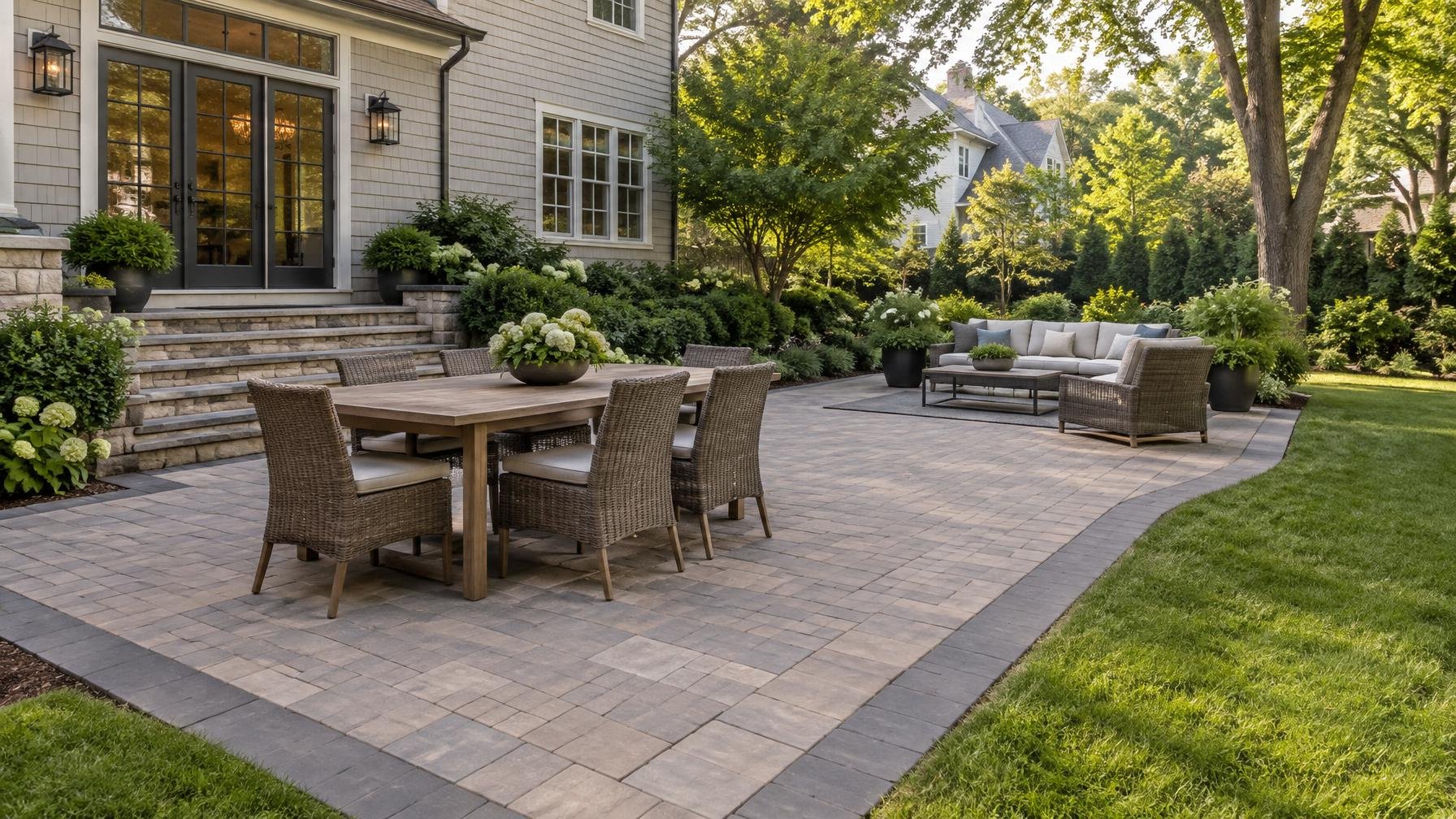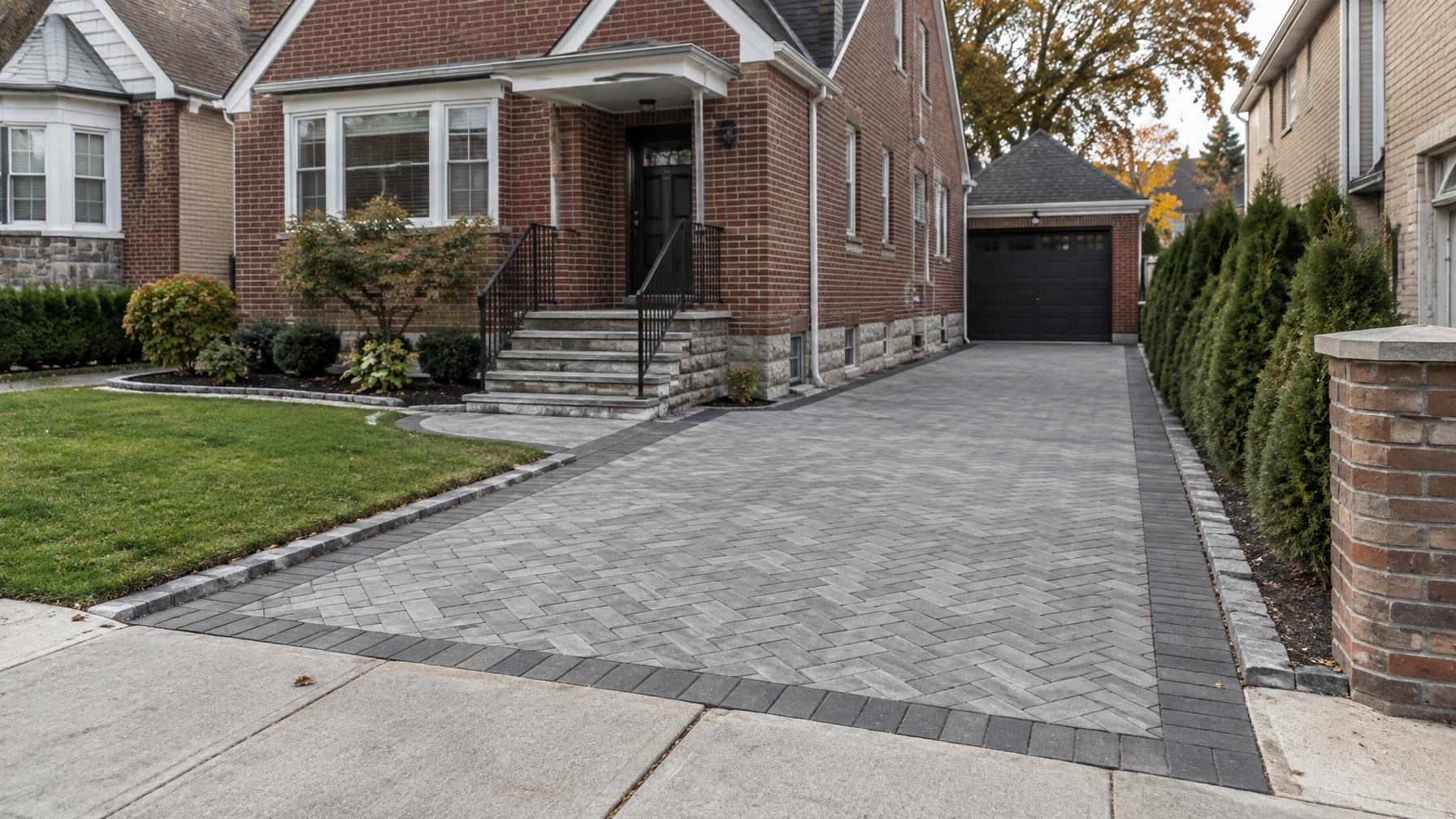
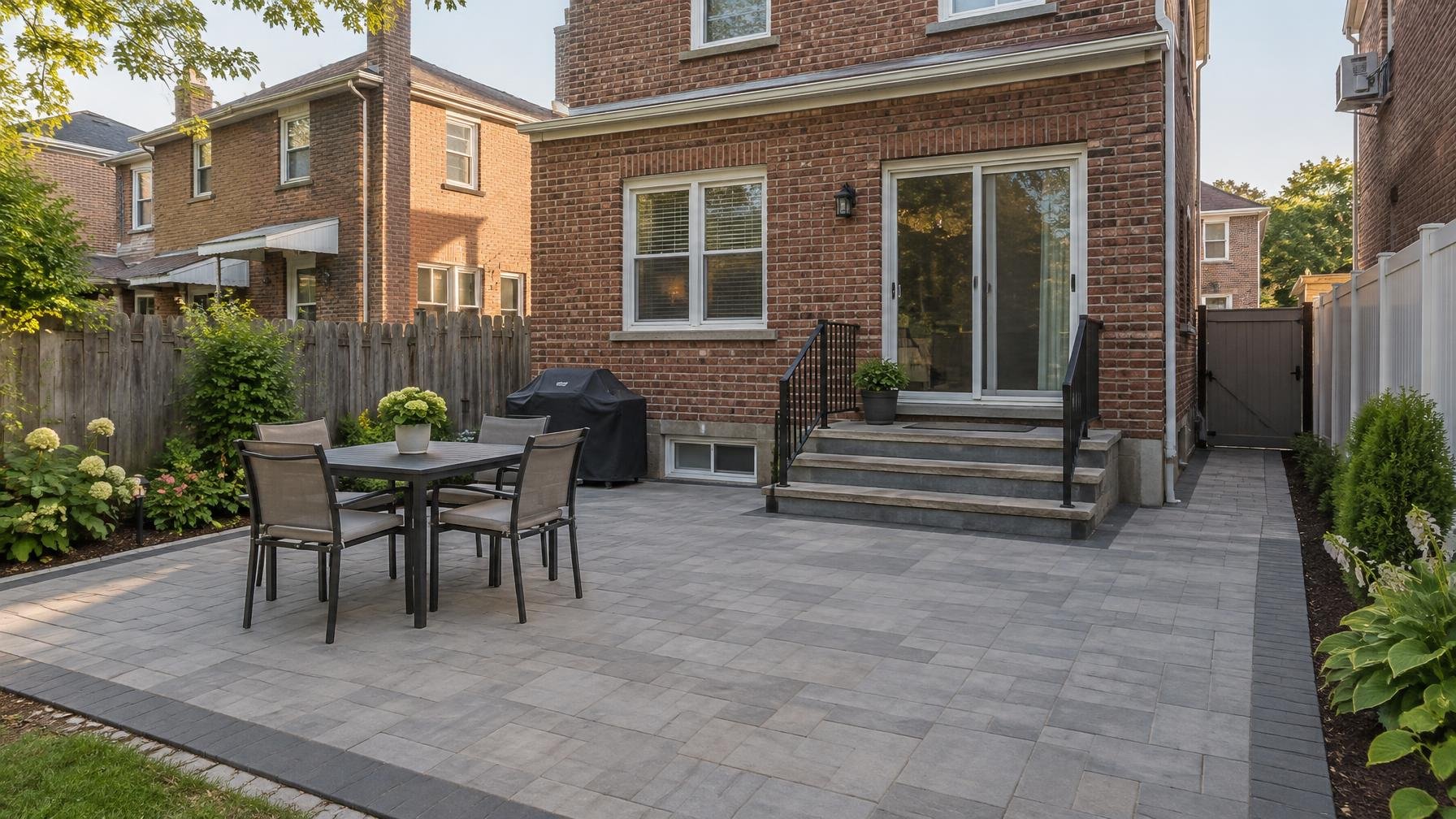
If you’re looking for patio pavers in Flushing, NY, start with how the yard drains, how you’ll use the space and how materials will reach the backyard. StoneSky Pavers & Masonry offers paver patio installation in Flushing and across Queens, with free on-site estimates to review the layout, existing surface and installation needs.
The right plan should give you usable outdoor space without creating puddles near the house, awkward steps or a patio that crowds the entire yard.
Plan the Patio Around Your Flushing Backyard
Flushing properties range from attached homes with narrow side passages to detached houses with larger backyards. That makes a site-specific layout more useful than copying a patio photograph. Start by identifying the back door, basement entrance, garage access, existing steps and any route you need to keep clear.
Measure for furniture and everyday movement
A dining set needs more room than the tabletop alone. Chairs must pull out without dropping off the patio edge, and someone should be able to walk past while others are seated. Mark the proposed patio with string or temporary stakes, then place your furniture inside the outline.
- Dining area: Allow for occupied chairs and a clear route from the back door.
- Cooking area: Follow the grill manufacturer’s clearances and keep smoke and heat away from doors and windows.
- Seating area: Check whether furniture blocks basement access, hose connections or gates.
- Garden edges: Leave enough room to maintain planting beds without stepping through tightly packed furniture.
For a narrow yard, one simple rectangular patio may work better than several small paved sections. Where space allows, separating dining from the main walking route can make the backyard easier to use.
Check access before choosing the final design
A tight passage between homes can affect excavation, debris removal and material deliveries. Gate openings, overhead obstructions and shared driveways should all be reviewed during the estimate. Access constraints do not automatically rule out a patio, but they belong in the installation plan from the beginning.
Choose Pavers for the Surface You Actually Need
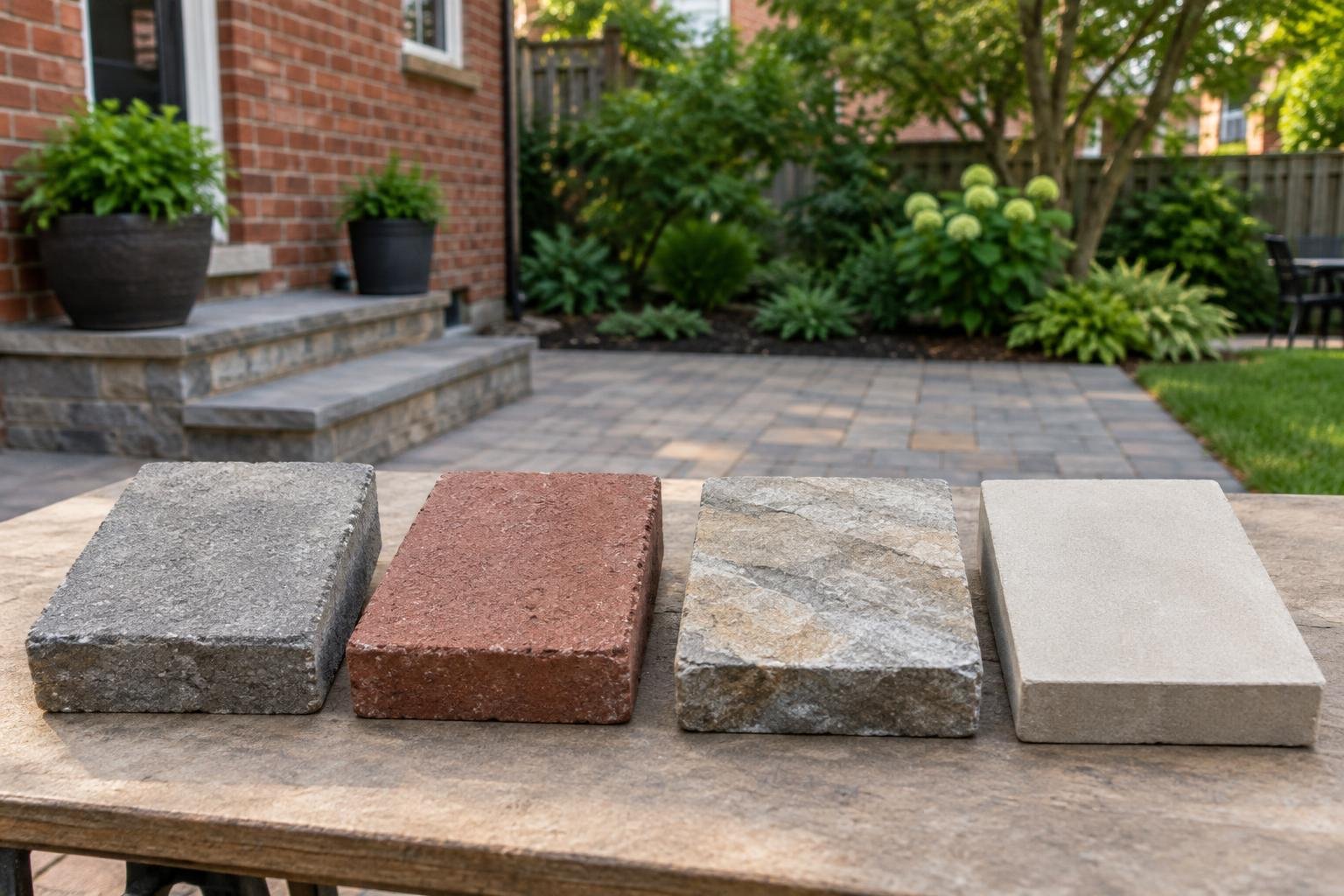
Color matters, but so do texture, unit size, maintenance and installation requirements. Bring photos of the house, rear steps and any existing masonry when discussing materials. A sample viewed outside will give you a better sense of color than a screen image.
Concrete pavers
Concrete pavers offer a broad range of shapes, finishes and colors. They can suit both traditional brick homes and more contemporary backyards. Smaller units can accommodate compact layouts with fewer awkward cuts, while larger formats need careful planning around corners, steps and changes in elevation.
Ask how the proposed paver thickness and installation system suit the intended use. A pedestrian patio and an area that also carries vehicles should not be treated as the same project.
Brick, natural stone and porcelain
Brick pavers can complement existing brickwork, although an exact color match is not always the best design choice. Natural stone provides variation in tone and texture; check that the selected stone and finish are suitable for outdoor walking surfaces.
Porcelain pavers offer another appearance, often with consistent sizing and contemporary finishes. They require an appropriate installation system and products rated for the intended outdoor conditions. For any material, discuss wet-surface traction, freeze-thaw suitability and cleaning requirements rather than choosing by appearance alone.
StoneSky’s paver patio services provide a starting point for discussing a material and layout that fit your property.
Make Drainage Part of the Patio Design
Rainfall and winter freeze-thaw cycles make water management an important part of a Flushing patio project. A new paved surface should not direct runoff toward a foundation, basement stairwell or neighboring property. Existing door thresholds and step heights may limit how high the finished patio can sit.
Before the estimate, look at the yard during or just after rain. Note where water collects, where downspouts discharge and whether water crosses the proposed patio area. Photos can help explain an intermittent drainage problem that may not be visible on a dry day.
- Low spots: Determine whether ponding comes from surface depressions, runoff entering the yard or limited drainage in the soil.
- House connections: Review elevations near doors, foundations and basement entrances.
- Downspouts: Identify whether concentrated roof runoff could wash out joints or saturate the patio base.
- Property boundaries: Plan water flow without shifting the problem next door.
The appropriate slope and drainage approach depend on the site and paving system. Joint sand alone does not turn a standard patio into a drainage solution.
When permeable pavers are worth discussing
A permeable patio uses compatible paving units, open joints and a designed stone base to manage water. It is not simply a conventional patio with wider gaps. Soil conditions, nearby foundations, available storage depth and maintenance all affect whether that system makes sense.
If runoff is a major concern, ask whether a permeable system is suitable for the property. Do not assume it eliminates the need to review grades or local requirements.
Look Below the Finished Paver Surface
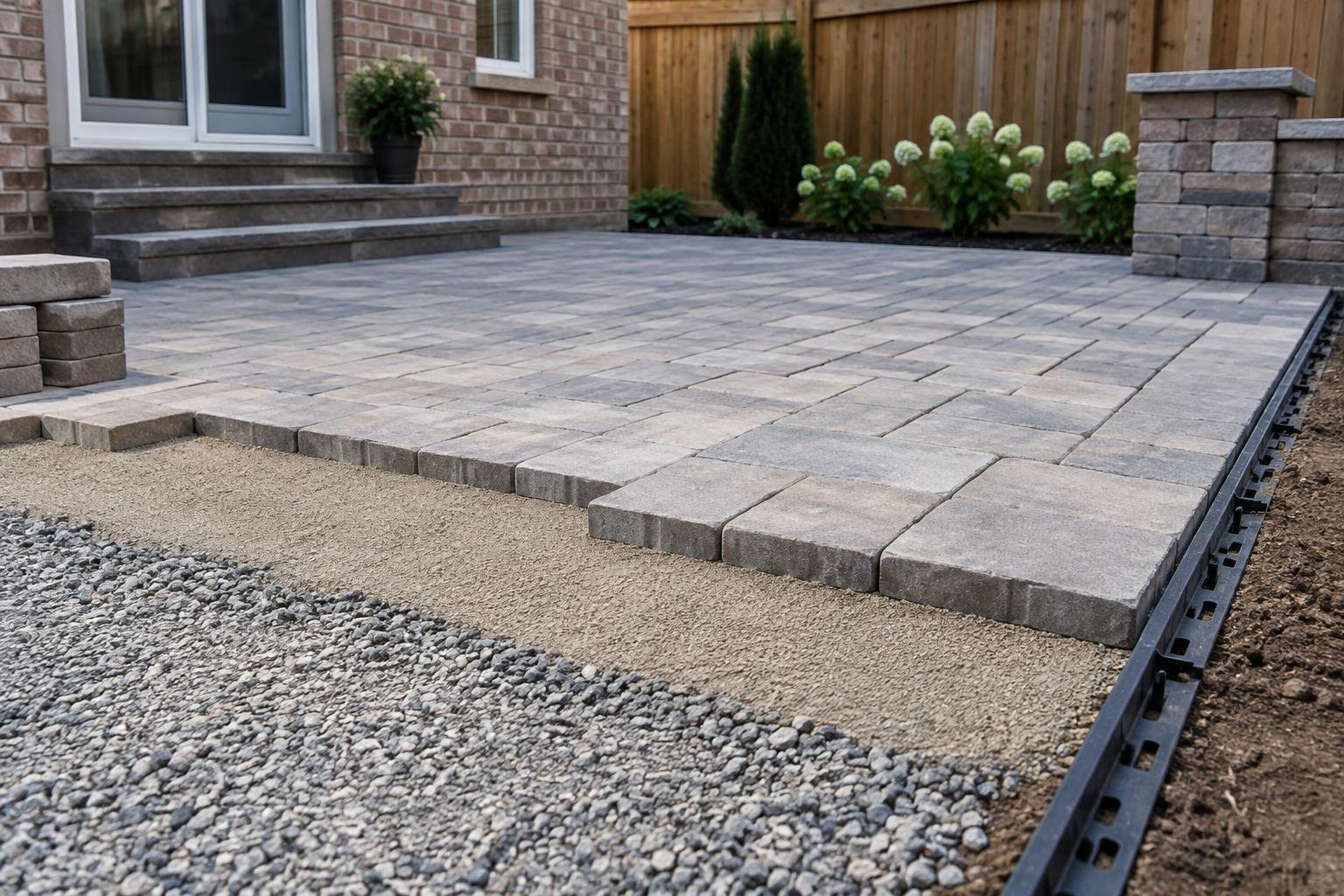
A patio can look straight on installation day and still develop problems if the supporting layers are inadequate. Excavation, base preparation, compaction and edge restraint deserve as much attention as the pattern.
Excavation and base preparation
The installation plan should account for existing soil, fill, roots and any old pavement being removed. Soft or disturbed areas need evaluation before the base goes in. Base material is placed and compacted in manageable layers, with the depth determined by conditions and the specified system—not a one-size-fits-all assumption.
The bedding layer provides a consistent setting surface; it should not be used to hide major variations in the base. Ask how the crew will establish finished elevations before laying pavers.
Edges, joints and transitions
Edge restraint helps keep the paving field from spreading. Joints need a suitable filling material installed according to the product requirements. Where the patio meets a walkway, stoop or lawn, the transition should avoid an unexpected lip or awkward change in height.
For a broader explanation of installation planning, see StoneSky’s concrete paver installation guide. The same basic questions about use, access and supporting layers apply to a Queens backyard.
Can an Existing Patio Be Repaired Instead?
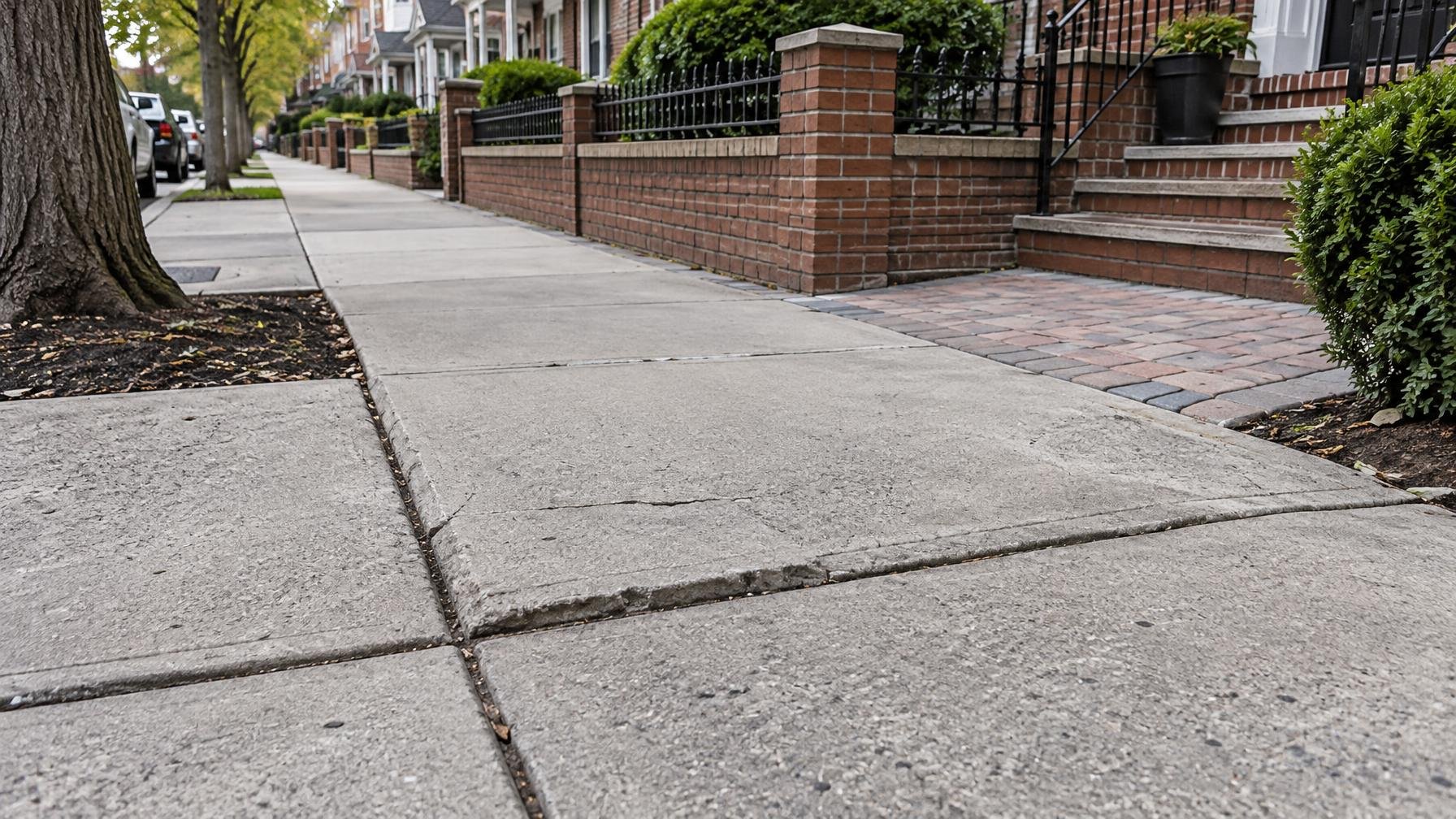
Not every uneven patio needs complete replacement. If the pavers remain sound and the trouble is limited to a few areas, lifting and resetting sections may be appropriate. The important question is why the surface moved.
A low patch beneath a downspout may need more than fresh bedding. Spreading edges may point to failed restraint, while widespread settlement may require broader base reconstruction. Tree roots also need careful assessment; cutting roots without review can damage the tree and may not solve the underlying conflict.
StoneSky offers paver repair and resetting. During the estimate, ask whether existing units can be reused and whether replacement pieces will differ in color or weathering. Cleaning and sealing may improve appearance, but neither corrects an unstable base or poor grading.
What to Prepare for a Flushing Patio Estimate
A useful estimate starts with a clear scope. You do not need a finished design, but it helps to know which problems you want solved and which features must remain.
- List your priorities: Dining space, easier maintenance, better access or replacement of an uneven surface.
- Identify existing problems: Mark puddles, loose pavers, root movement and difficult transitions.
- Gather basic measurements: Approximate patio dimensions and gate widths help frame the conversation.
- Discuss the complete scope: Ask about removal, excavation, base preparation, pavers, borders, joint material and cleanup.
- Review local requirements: Confirm whether the proposed scope needs approvals, particularly if it changes grading or connects with steps, walls or other structures.
Flushing is within New York City, so requirements should be checked through the appropriate NYC resources rather than assumed from a Nassau County project. Also identify utility routes before excavation and discuss how deliveries and temporary access restrictions will be handled.
Request a Free On-Site Estimate in Flushing
StoneSky Pavers & Masonry serves Flushing, nearby Queens neighborhoods and communities across Nassau County and Long Island. Whether you need a new patio, a backyard layout update or repair of settled pavers, start with an on-site review of the existing conditions.
Request a free on-site estimate or call (929) 528-1205 to discuss your patio project.
Frequently Asked Questions
What are the best patio pavers for a Flushing backyard?
The right choice depends on the layout, desired appearance, wet-surface traction and maintenance preferences. Concrete, brick, natural stone and porcelain offer different finishes and installation requirements. Review outdoor suitability and physical samples before selecting a product.
Can patio pavers be installed in a backyard with narrow access?
Narrow access does not automatically prevent installation, but it affects how excavation, debris removal and deliveries are planned. Have the contractor measure gates and passages and review any shared driveway restrictions during the on-site estimate.
Will a new paver patio fix standing water in my yard?
Not by itself. The cause of the standing water needs to be assessed, including grades, downspout discharge and soil conditions. A patio needs a suitable drainage plan; conventional paver joints should not be relied on to absorb all runoff.
Can sunken patio pavers be reset rather than replaced?
Often, sound pavers can be lifted and reset if the underlying problem is addressed. Localized settlement may allow a targeted repair, while widespread base failure or drainage problems may require more extensive work.
Do I need a permit for a paver patio in Flushing?
Requirements depend on the scope and property conditions. Check applicable NYC requirements before work begins, especially if the project changes grading or includes related steps, walls or structures. Do not assume rules from Long Island towns apply in Flushing.
Does StoneSky offer free patio estimates in Flushing?
Yes. StoneSky Pavers & Masonry offers free on-site estimates and serves Flushing. Call (929) 528-1205 or use the contact page to request a review of your patio project.