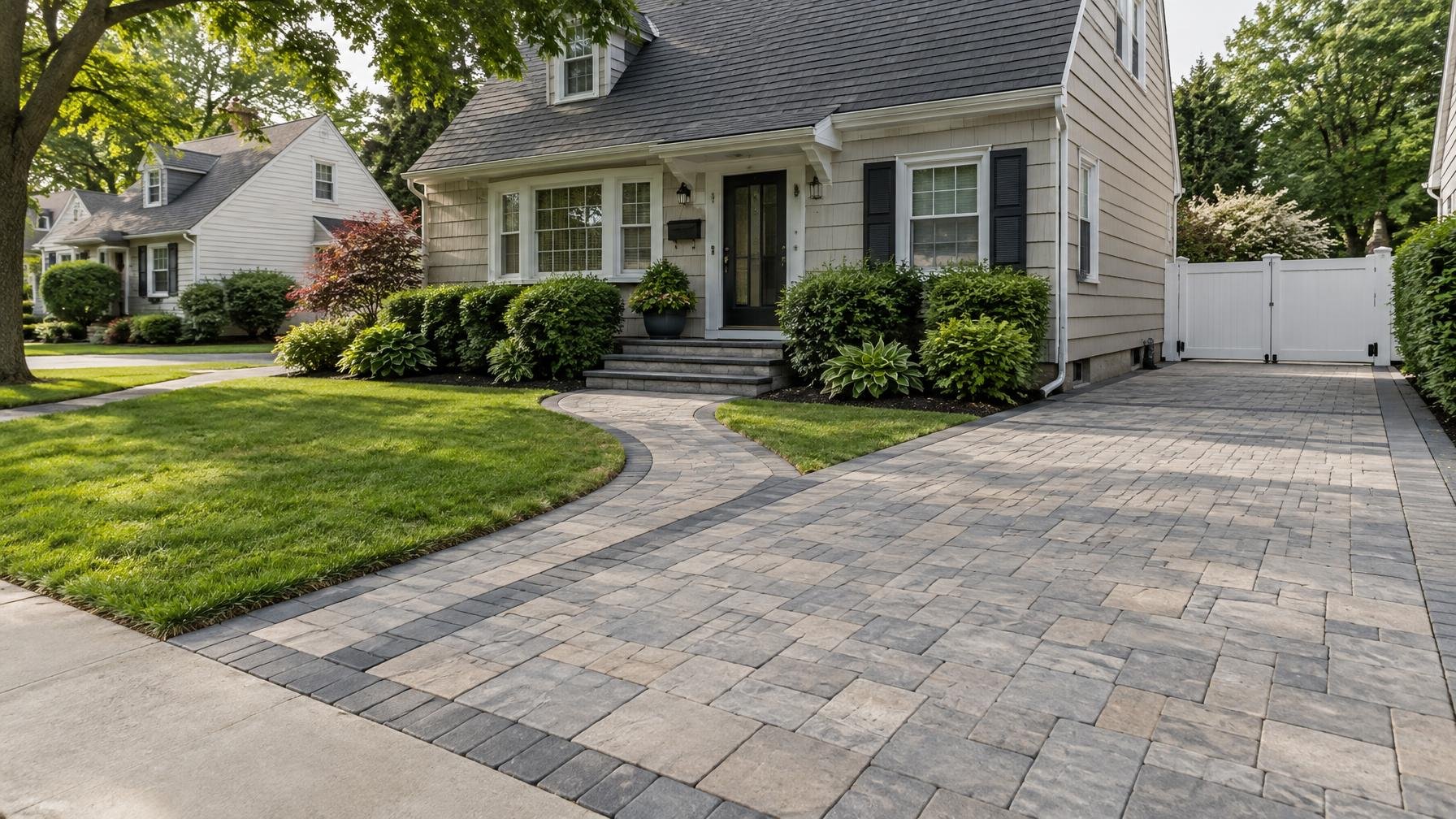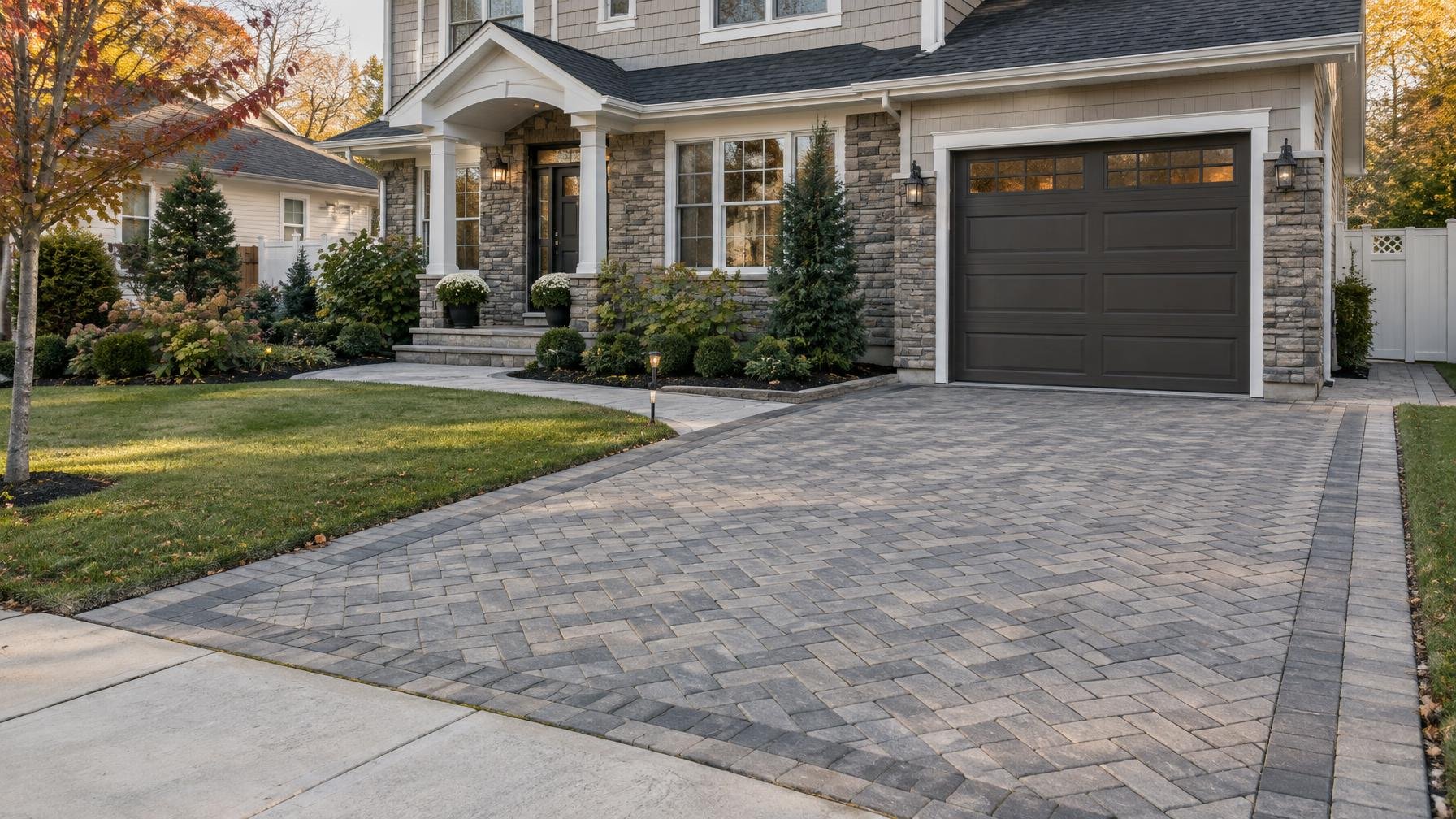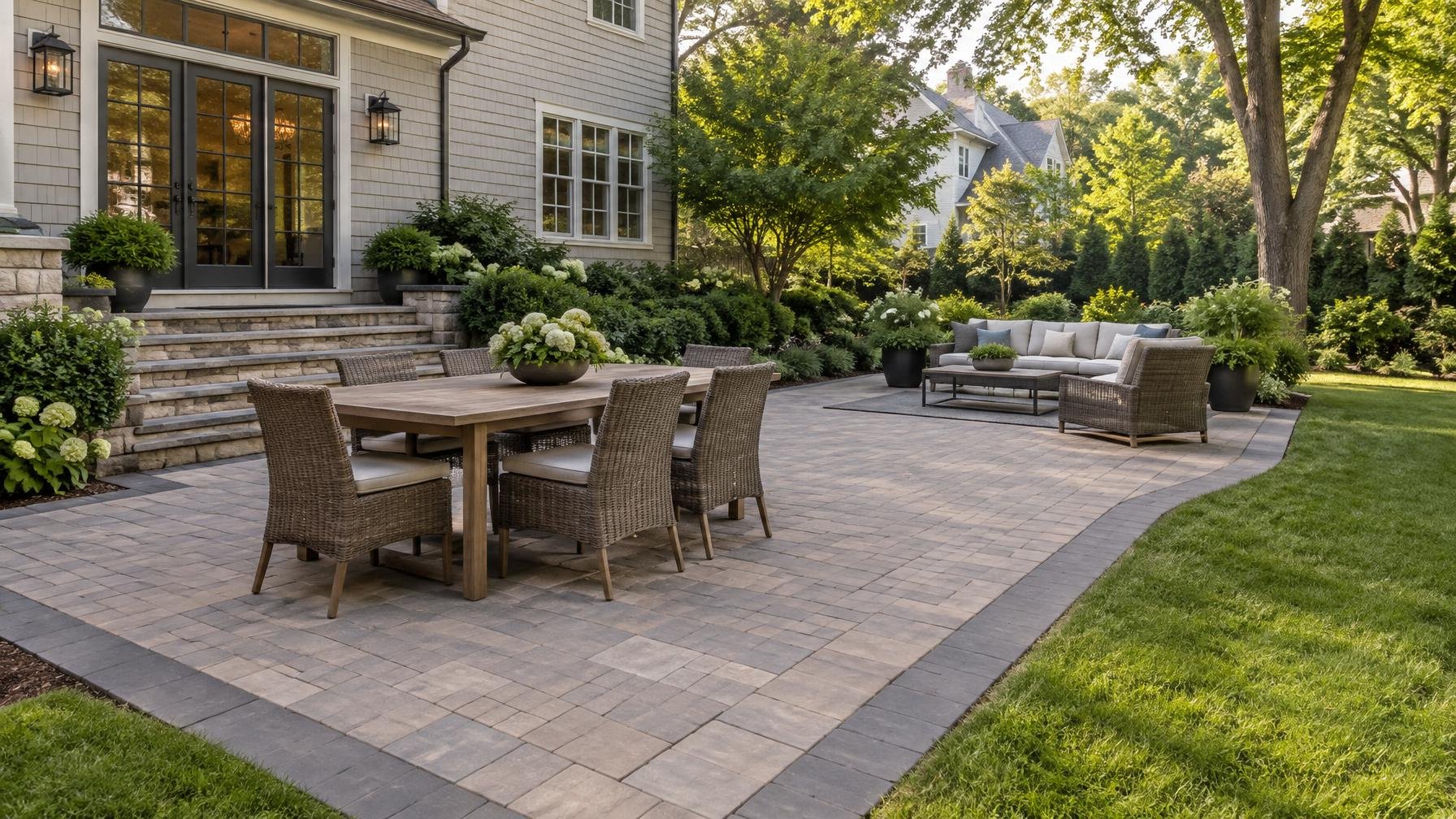
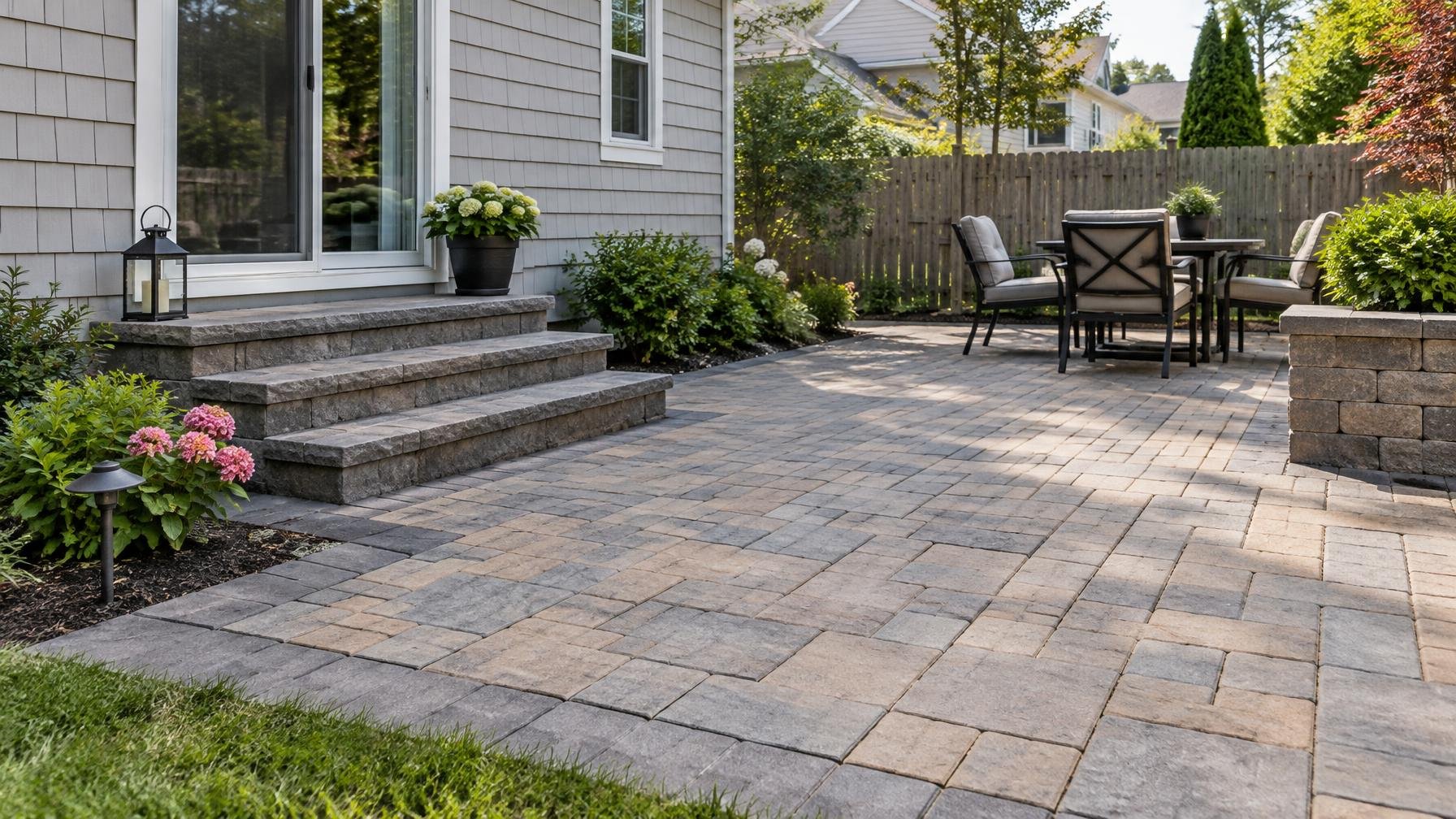
If you are planning paver sealing in Massapequa, NY, start with the condition of the paving—not just its color. Cleaning, necessary repairs, sound joints and a suitable weather window all matter before sealer goes down. StoneSky Pavers & Masonry offers paver cleaning and sealing in Massapequa and across Nassau County, with free on-site estimates.
What Paver Sealing Can—and Cannot—Do
A compatible sealer can help reduce absorption of certain spills and make routine cleaning easier. Depending on the product, it may also deepen the paver color or change the surface sheen. Some products help stabilize joint sand when used as part of a compatible system, but that benefit should not be assumed for every sealer.
Sealing does not correct a poor base, lift sunken pavers or redirect standing water. It also does not make a driveway stainproof or eliminate maintenance. Oil, leaves and other debris should still be removed promptly, and vehicle fluids can remain difficult to clean even on treated surfaces.
Not every paver needs the same treatment. Concrete, clay brick, natural stone and porcelain differ in absorption and surface characteristics. Some dense or factory-treated products may not need sealing at all. The material manufacturer’s guidance should determine whether treatment is appropriate and which products are compatible.
Check These Conditions Before Scheduling Sealing
Low spots and uneven edges
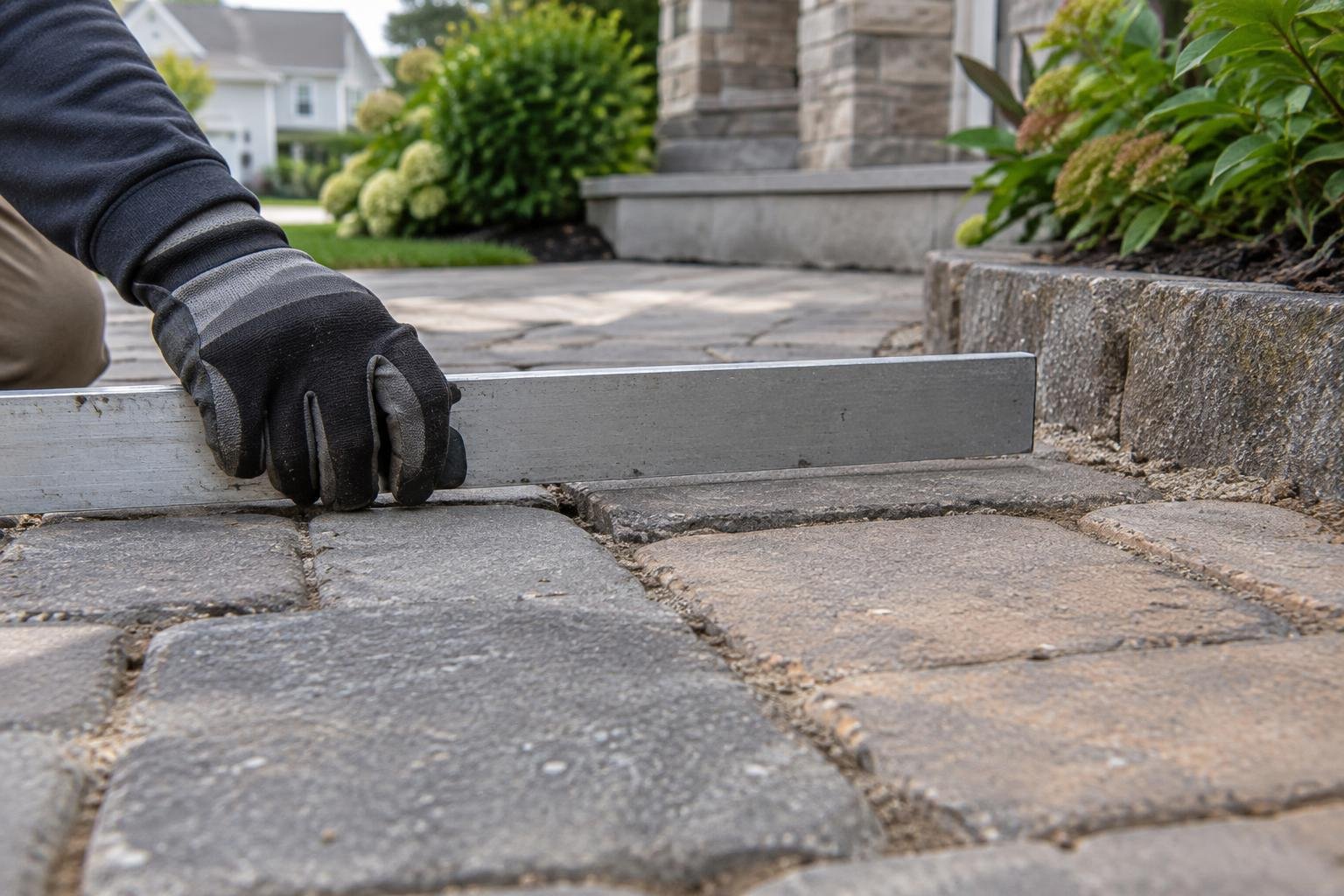
Walk the driveway, patio and front entrance after rain. Look for puddles, raised edges, rocking pavers and settlement near steps or garage approaches. Water sitting in a depression is a grading or settlement issue, not a problem that sealer can solve.
Where movement has occurred, discuss paver repair and resetting before surface treatment. Addressing the underlying condition first avoids sealing an area that may soon need to be lifted again.
Joint sand and edge restraint
Check for deep gaps between pavers, loose border units and sand collecting at the bottom of a slope. Joint material helps the pavement function as a connected surface; sealer is not a substitute for missing sand or adequate edge restraint.
If joints need replenishment, the sand and sealer must be compatible. Polymeric sand has its own installation, activation and curing requirements. The correct sequence depends on the selected products rather than a universal same-day cleaning-and-sealing routine.
Old coatings and white deposits
Tell the contractor whether the surface has been sealed before, even if you do not remember the product name. Peeling, uneven shine or cloudy patches may indicate an existing coating problem. Applying another coat without identifying the cause can make the appearance worse.
A white surface deposit may be efflorescence, but not every pale mark has the same cause. Mineral deposits, cleaning residue and coating haze need different responses. Identify the problem and allow appropriate treatment and drying before deciding whether the surface is ready to seal.
Why Massapequa Conditions Matter
Massapequa properties face rain, humid summer weather, falling leaves and winter freeze-thaw cycles. These conditions affect both maintenance and scheduling. A shaded backyard patio may stay damp longer than an open driveway, even when the two surfaces are on the same property.
In waterfront sections and other exposed locations near South Oyster Bay, wind can carry debris onto freshly prepared paving. Elsewhere, tree cover and irrigation may be the bigger concerns. Evaluate the actual site instead of assuming every Massapequa driveway or patio will dry at the same rate.
- Shaded patios: Check for algae and persistent dampness along fences, planting beds and house walls.
- Driveways: Identify oil spots, tire marks and areas affected by winter deicing products.
- Pool surrounds: Discuss bare-foot comfort, wet traction and compatibility with the existing pavers.
- Front walks: Look for runoff from downspouts, low spots near stoops and leaf staining beneath trees.
Sealer will not prevent winter damage caused by saturated, poorly supported paving. Drainage, base condition and suitable deicer use remain important after treatment. Follow the paver and sealer manufacturers’ maintenance instructions rather than assuming a sealed surface can tolerate any chemical.
Cleaning and Preparation: The Work That Comes First
Remove dirt without damaging the surface
Preparation begins with clearing furniture, planters, vehicles and loose debris. Cleaning should suit the paver material and its condition. Excessive pressure or an aggressive nozzle held too close can damage the surface and wash joint sand away.
Oil, rust and organic staining may require different cleaners. A general wash may remove surface dirt without removing an embedded stain. Product selection, a small test area and protection of surrounding materials matter more than simply increasing pressure. Cleaning runoff also needs to be managed so debris and chemicals are not directed indiscriminately into planting beds or street drains.
Set realistic expectations for stains
Older oil marks, rust beneath metal furniture and deeply absorbed leaf stains may not disappear completely. Ask which marks are likely to improve and which may remain visible. A color-enhancing sealer can also change how residual stains look, so sealing should not be presented as a way to hide them.
Allow the required drying time
A surface that looks dry on top may still hold moisture below. Many sealers require dry paving, while some systems have different moisture requirements. Follow the selected product’s instructions for surface condition, temperature and application.
StoneSky’s paver sealing and cleaning services address these related maintenance needs. During an estimate, discuss cleaning, joint work and sealing as separate steps so the scope is clear.
Choosing a Finish Without Creating a New Problem
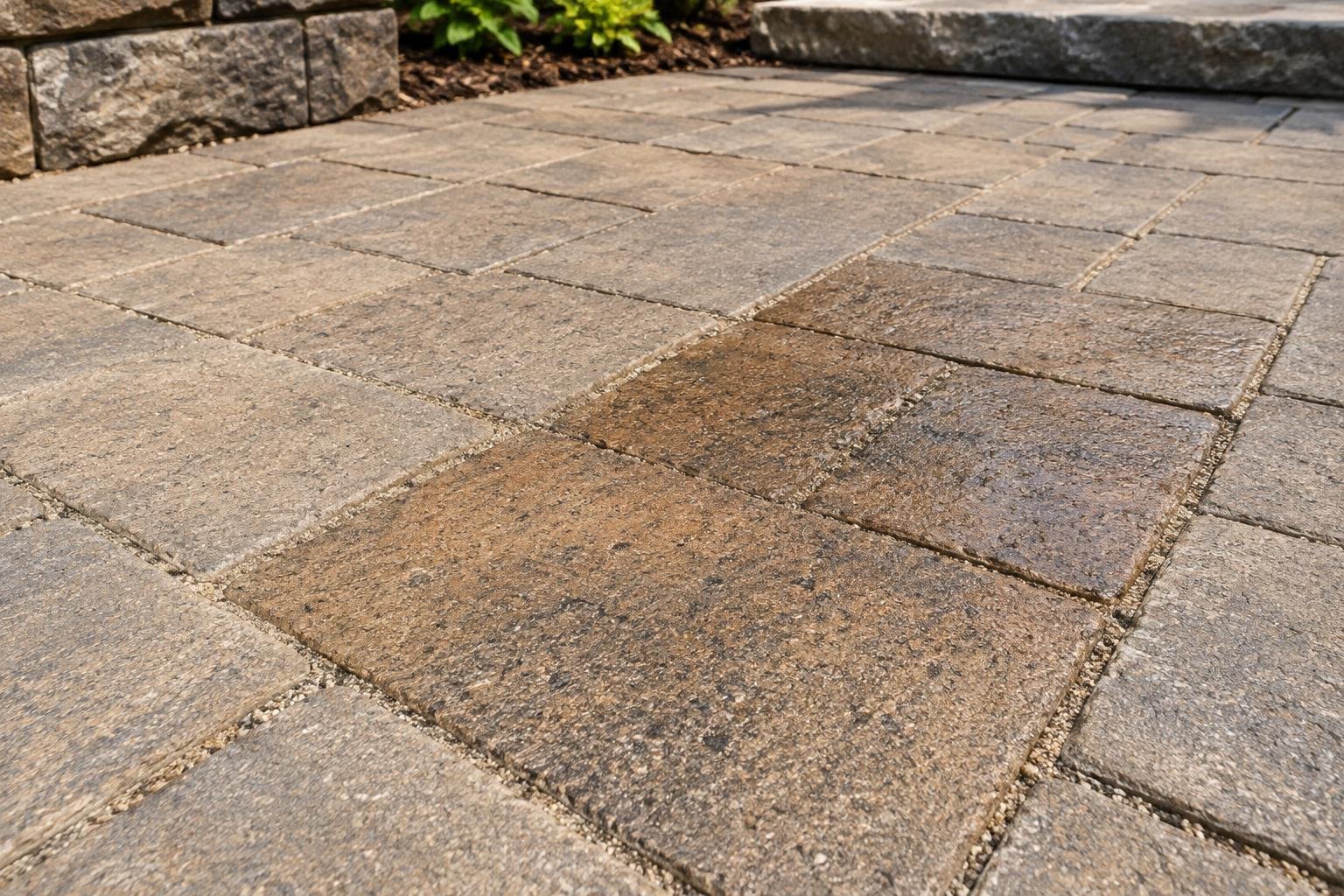
Decide whether your goal is a relatively unchanged appearance or richer color. A natural-look treatment generally aims to preserve the existing appearance, while a color-enhancing product can darken the paving. Sheen is a separate consideration: enhanced color does not automatically mean a high-gloss surface.
Ask for a small test area on your actual pavers. Brochure photos cannot show exactly how your material, previous treatment and wear patterns will respond. Evaluate the sample after the product has dried or cured as directed, not only while it is freshly applied.
Traction deserves particular attention on pool decks, entrance steps and sloped walks. Some coatings can change wet-surface grip. Discuss a product suitable for the use and whether the manufacturer specifies a compatible traction additive. Do not assume that a glossy finish is appropriate simply because it looks attractive when dry.
When to Schedule Paver Sealing in Massapequa
The right application window depends on the product, not a fixed calendar date. Spring, summer and fall may offer suitable days, but rainfall, humidity, overnight dew and surface temperature can all affect readiness. Strong sun can make a driveway much hotter than the reported air temperature.
Before work starts, confirm the required rain-free period and the restrictions for walking, driving and replacing furniture. These intervals vary by product and site conditions. A surface that feels dry is not necessarily ready for vehicle tires or heavy planters.
- Turn off sprinklers that reach the work area for the required preparation and curing period.
- Arrange alternative parking if the driveway will be closed.
- Keep children and pets away during application and until access is permitted.
- Schedule deliveries and yard work so they do not cross the treated surface.
- Leave room in the schedule for weather-related postponement.
Maintenance After Sealing
Sweep regularly, remove leaves before they sit wet and clean spills promptly with a compatible cleaner. Avoid aggressive washing or chemicals that can damage the treatment. Furniture feet and dragging heavy objects can wear or scratch some finishes, so lift items when rearranging the patio.
There is no single resealing interval that fits every Massapequa property. Traffic, sun exposure, material type and the existing product all affect wear. Inspect the surface periodically rather than adding a new coat automatically. Uneven absorption, worn traffic paths or a deteriorating coating are reasons for an assessment—not proof that another coat alone is the answer.
Also watch the joints and drainage. New puddles, loose pavers or recurring sand loss should be evaluated separately from the finish. Keeping the pavement stable and draining properly matters more than maintaining a uniform shine.
Request a Free On-Site Estimate in Massapequa
For a useful assessment, point out drainage trouble, previous sealing, stubborn stains and any areas that stay slippery or damp. If you have old product containers or installation records, have them available. Discuss your preferred appearance and how soon you need to use the surface again.
StoneSky Pavers & Masonry serves Massapequa, Nassau County, Queens and Long Island with paver cleaning, sealing, repair and installation services. Request a free on-site estimate or call (929) 528-1205 to discuss your driveway, patio, walkway or pool deck.
Frequently Asked Questions
Do all pavers need to be sealed?
No. Sealing suitability depends on the material, factory treatment, existing coatings and intended use. Some dense materials may not benefit from sealing. Check the paver manufacturer’s recommendations before selecting a product.
Can sunken pavers be fixed by sealing them?
No. Sunken or rocking pavers need evaluation for settlement, base problems or edge movement. Necessary resetting and drainage corrections should come before sealing.
How long must I stay off my driveway after sealing?
The restriction depends on the sealer and site conditions. Confirm separate times for foot traffic, vehicles and replacing heavy objects. Dry-to-touch does not necessarily mean ready for driving.
Will sealing make a patio slippery?
Some coatings can change wet traction, especially on smooth paving. Product selection is important around pools, steps and sloped walks. Discuss wet-use suitability and any manufacturer-approved traction additive before application.
How often should pavers in Massapequa be resealed?
There is no universal schedule. Exposure, traffic, paver material and the existing sealer affect wear. Have the surface assessed before recoating, particularly if it has cloudiness, peeling or uneven sheen.
Does StoneSky offer free estimates for paver sealing in Massapequa?
Yes. StoneSky Pavers & Masonry offers free on-site estimates in Massapequa and its service area. Call (929) 528-1205 or use the contact page to request an estimate.