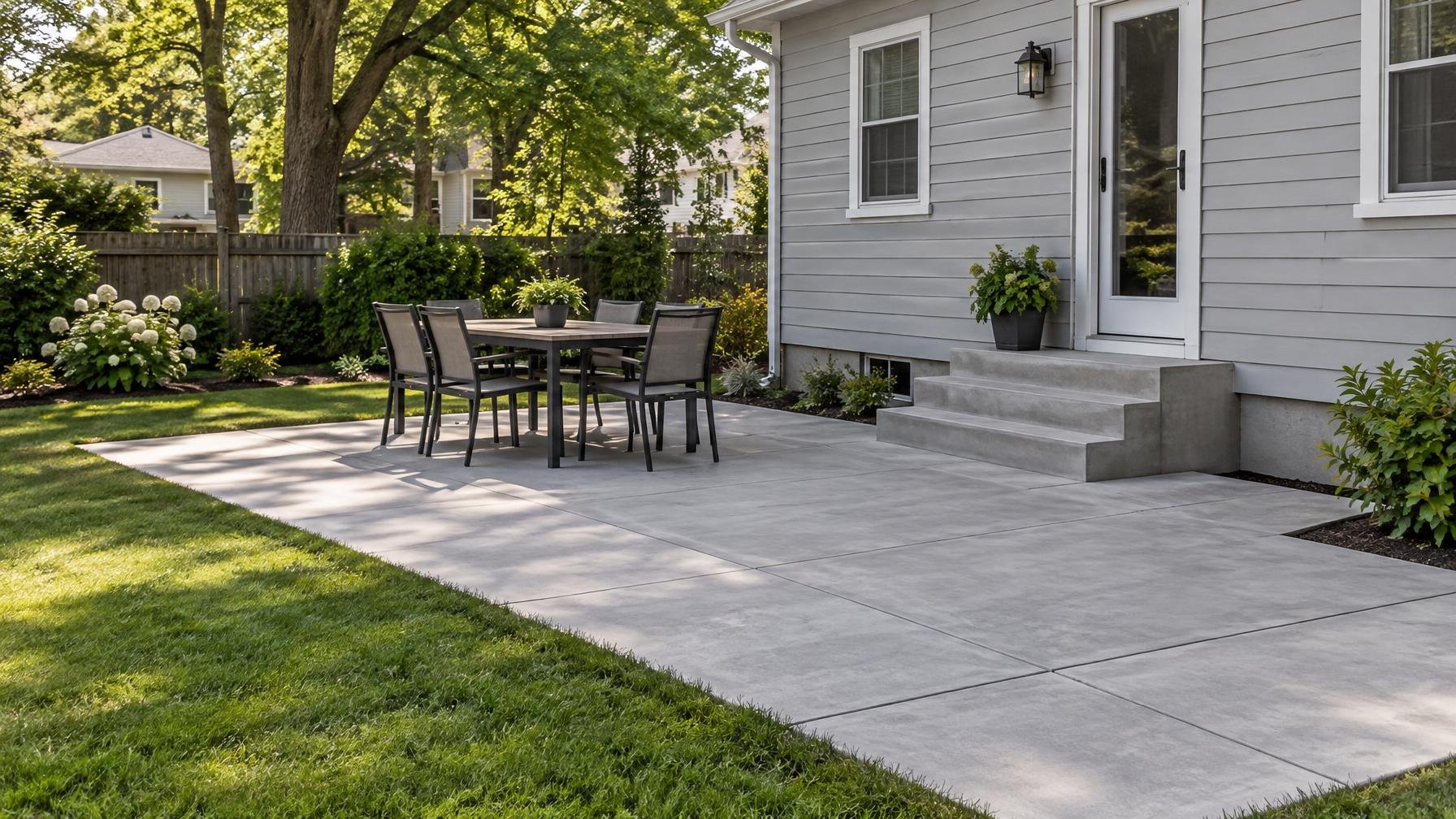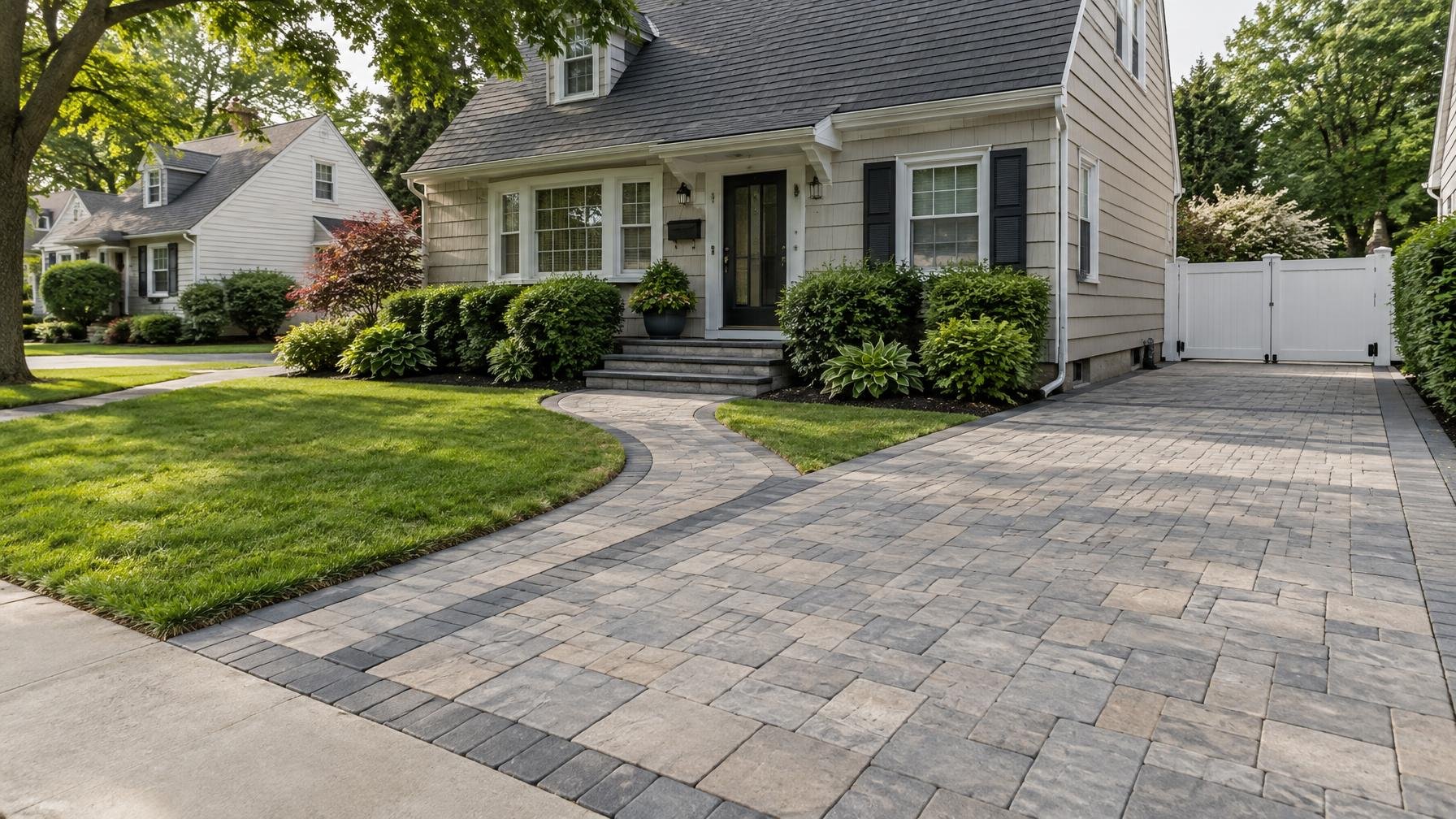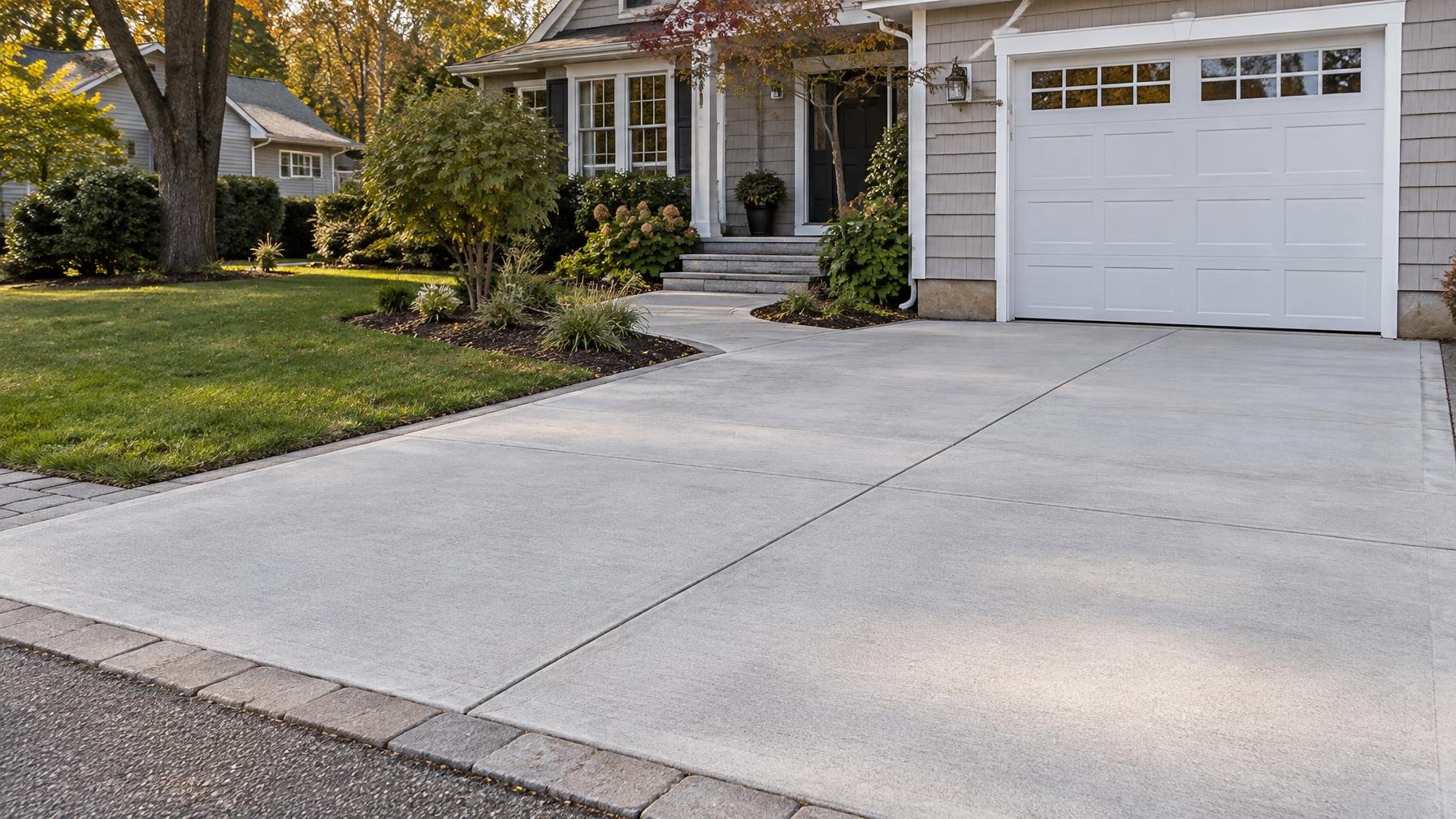
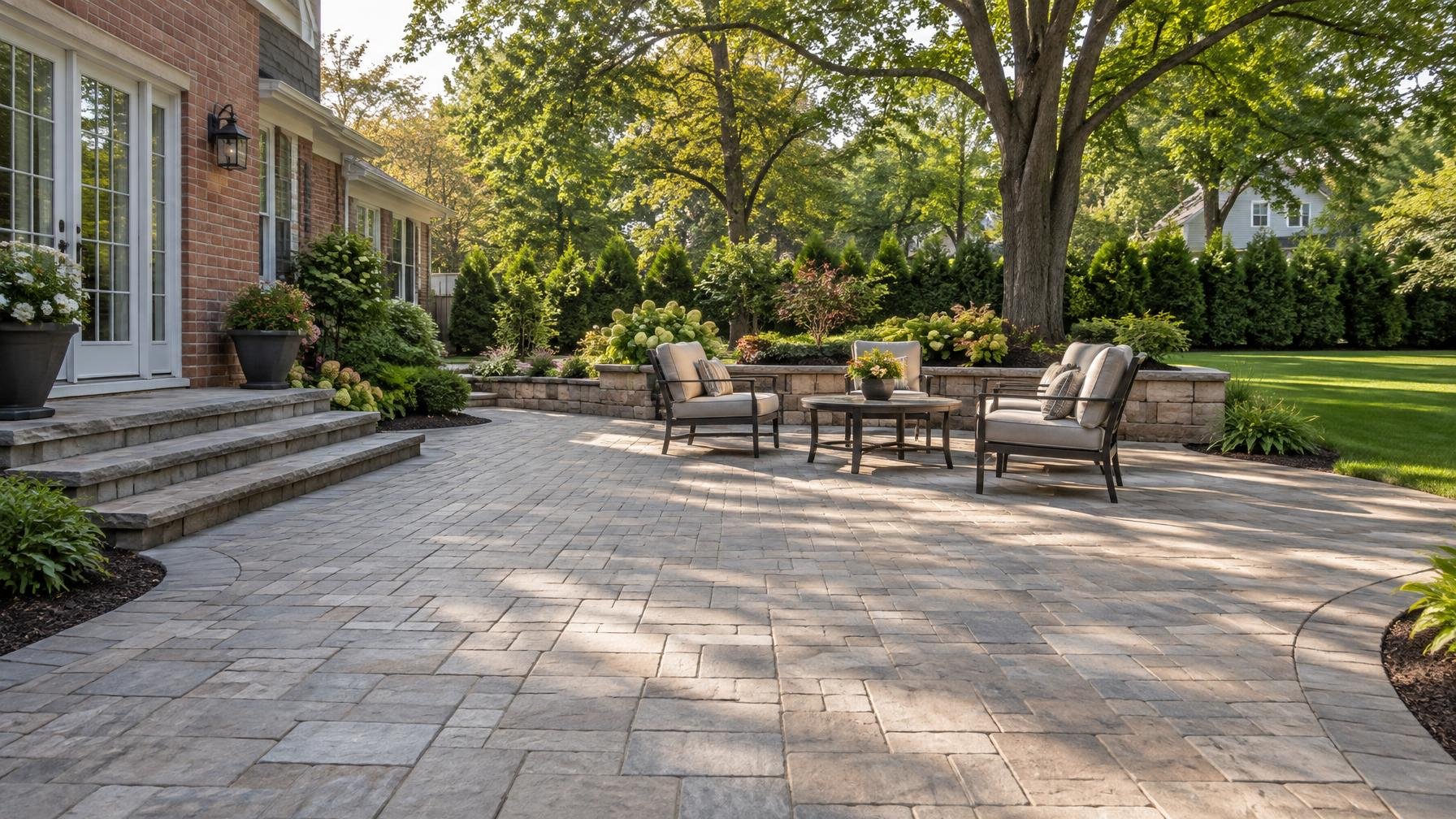
Paver sealing in Huntington, NY starts with deciding whether your surface is ready for a coating at all. StoneSky Pavers & Masonry offers paver cleaning and sealing in Huntington and across Long Island, with free on-site estimates to assess surface condition and maintenance needs. For a driveway, patio or walkway, the priorities are cleaning thoroughly, addressing movement and choosing a compatible finish—not simply adding shine.
What Sealing Can—and Cannot—Do for Pavers
A compatible sealer can help reduce water absorption and make some spills easier to clean before they become stubborn stains. Depending on the product, it may also deepen the paver color or leave a visible sheen. Those are separate choices: a protective treatment does not always need to create a glossy surface.
Sealing is not waterproofing, and it does not make pavers stain-proof or maintenance-free. Leaves, cooking grease and vehicle fluids still need prompt attention. Some products can help stabilize joint sand when used as part of a compatible system, but a surface coating cannot correct loose edge restraints, settlement or an inadequate base.
Before selecting a finish, identify the material. Concrete pavers, clay brick, natural stone and porcelain do not all accept the same treatment. Dense porcelain, for example, should not automatically receive the sealer used on an absorbent concrete paver.
Why Huntington Conditions Matter
In Huntington, wooded yards and shaded patios can create different maintenance needs from open, sunny driveways. Leaves left on damp pavers may cause organic staining, while shaded sections can develop algae and stay wet longer after rain. A patio beneath trees may need more frequent debris removal than a front walkway with good sun exposure.
Long Island’s winter freeze-thaw cycles also make drainage worth checking before sealing. Standing water, saturated joints and low spots deserve attention even if the pavers still look attractive. A sealer cannot redirect runoff or lift a settled section away from a foundation.
For properties near Huntington Harbor or other coastal areas, exposure and drying conditions should be assessed on site rather than assumed. Wind, shade, irrigation and the surface’s position can all affect application planning. The best schedule follows the actual conditions at your property and the product instructions—not a fixed month on the calendar.
Inspect the Surface Before Booking Sealing
Walk the area when it is dry, then look again after rain. Photographs of puddles can help explain drainage issues that may not be visible during an estimate. Check the transitions at steps, garage entrances, gates and pool coping, where uneven surfaces are particularly inconvenient.
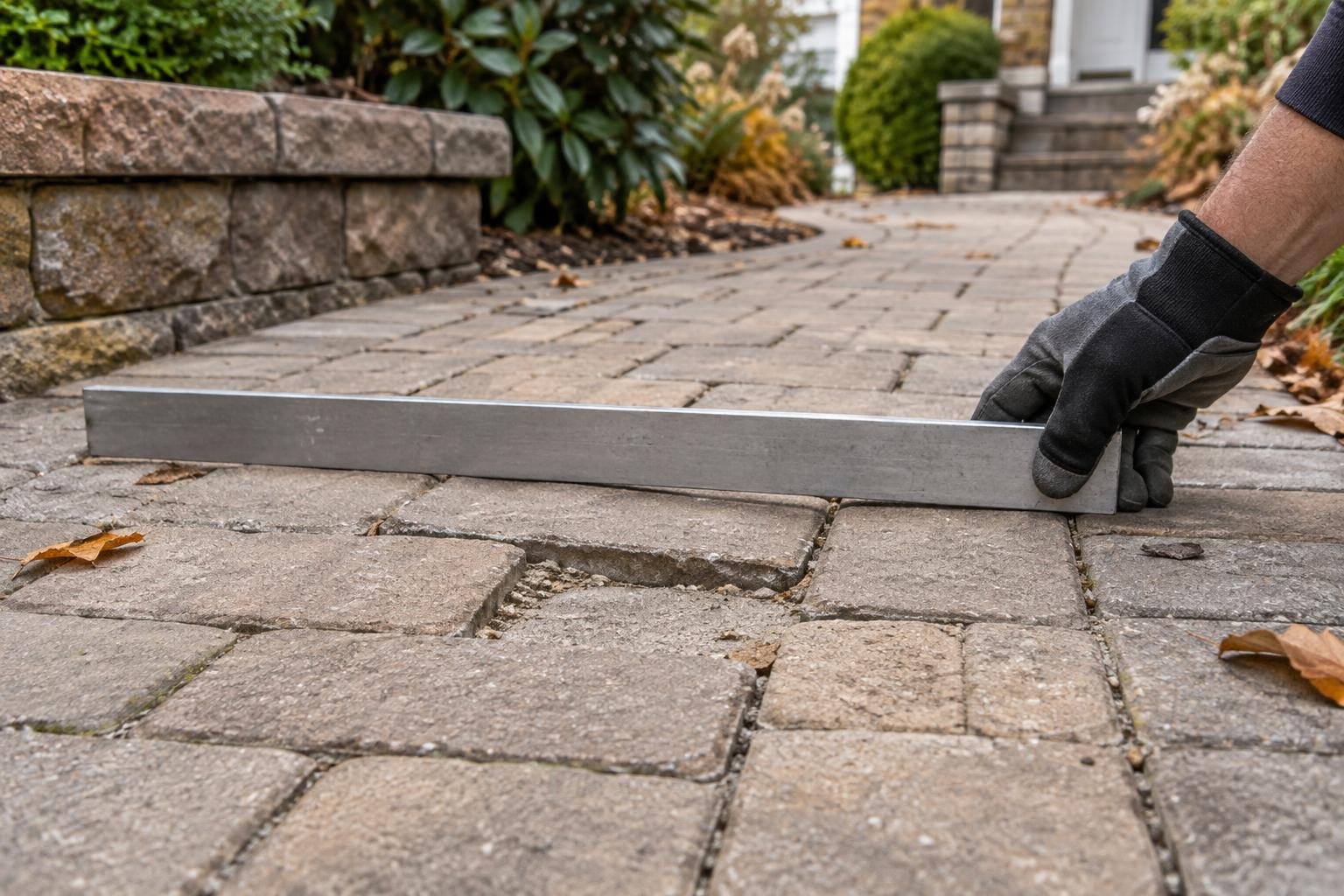
- Rocking or sunken pavers: These need assessment for resetting and support beneath the affected area.
- Open or washed-out joints: Identify why joint material is missing before replacing it.
- White deposits: These may be efflorescence, but the cause should be identified before treatment.
- Flaking, cloudy or patchy coatings: Existing sealer may affect cleaning methods and product compatibility.
- Water collecting beside the house: Evaluate grading and drainage before considering a finish.
Where movement is the main problem, paver repair and resetting should come before sealing. Coating an uneven patio can leave you with the same trip hazards under a more noticeable finish.
How Cleaning and Preparation Affect the Result
Start with the Existing Material and Coating
Tell the contractor whether the pavers have been sealed before, even if you do not remember the product. Old invoices, containers or photographs can help. Applying a new coating over an unknown one without checking compatibility risks uneven appearance, poor adhesion or other finish problems.
A small test area is useful for both cleaning and sealing. It can show how the surface responds and whether the proposed treatment changes the color more than expected. Choose a representative area rather than testing only an unusually clean spare paver.
Remove Dirt and Treat Stains Appropriately
General grime, algae, oil, rust and white mineral deposits are not interchangeable cleaning problems. Each needs an approach suited to the stain and paving material. Aggressive washing or an unsuitable chemical can damage the face of a paver, discolor adjacent materials or remove too much joint sand.
Ask how nearby planting beds, doors, siding and pool areas will be protected. Cleaning runoff also needs consideration, especially where a driveway slopes toward the street. The plan should account for the property layout rather than treating pressure washing as an isolated task.
Prepare Joints and Allow Proper Drying
After cleaning, joints may need attention. If polymeric sand is used, its installation, activation and curing requirements must be coordinated with the chosen sealer. Loose residue on the paver faces can create its own appearance problems if it is not handled correctly.
Pavers that look dry on top may still contain moisture. Sealing too soon can lead to cloudiness or interfere with the coating’s performance, depending on the product. StoneSky’s paver sealing and cleaning services provide a starting point for discussing the preparation your surface needs.
Choose the Finish for How You Use the Space
Natural Appearance Versus Color Enhancement
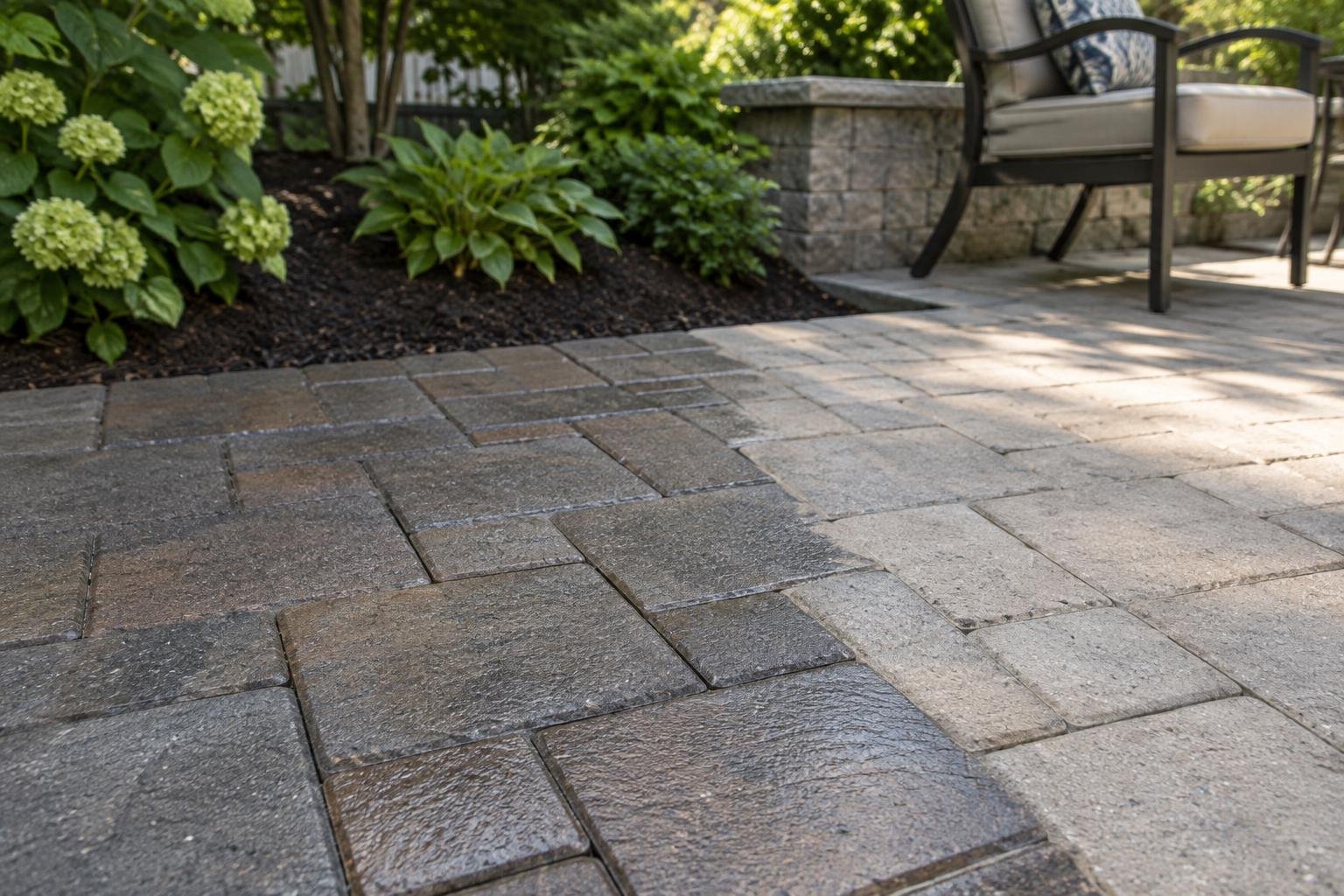
If you like the current dry appearance of your pavers, ask about products intended to minimize visible change. If you want stronger color, discuss a color-enhancing option and view a test patch after it has cured. “Wet look” and “high gloss” are not necessarily the same thing, so describe the result you want instead of relying on a label alone.
For a driveway, also ask whether the proposed product is suitable for vehicle traffic and the particular paving material. A finish selected for appearance alone may not suit how the surface is used.
Traction Around Pools, Steps and Shaded Walkways
Wet traction deserves special attention on pool decks, entrance landings and frequently damp walkways. Some film-forming finishes can make a surface more slippery, particularly when applied incorrectly. Ask about wet-use suitability and any manufacturer-approved traction measures rather than assuming a textured paver will remain equally grippy after sealing.
More sealer is not automatically better. Coverage and application method should follow the product requirements. A heavy coating can create problems instead of adding useful protection.
Plan Around Weather and Access
A suitable application window includes more than a rain-free afternoon. Surface temperature, overnight conditions, humidity, dew and the forecast after application can all matter. In Huntington’s shaded backyards, drying may take longer than it does on an exposed driveway nearby.
Ask for separate instructions on foot traffic, furniture placement and vehicle use. These return-to-use times depend on the product and conditions; they should not be reduced to a single promise that every sealed surface is ready the next morning.
- Arrange alternate parking if the driveway will be closed.
- Remove planters, outdoor rugs and furniture before work begins.
- Coordinate irrigation so sprinklers do not wet the prepared or freshly sealed surface.
- Plan a safe route for household members and pets.
- Allow flexibility if rain or unsuitable temperatures delay application.
Questions to Ask During Your On-Site Estimate
A useful estimate should distinguish cleaning, repairs, joint work and sealing. That makes it easier to understand the proposed work and prevents a cosmetic treatment from being mistaken for a structural repair.
- What paving material and existing coating are present?
- Which stains are likely to improve, and which may remain visible?
- Do any sections need resetting before cleaning and sealing?
- What appearance should I expect after the product cures?
- How will joint preparation and drying be handled?
- What weather conditions would require postponement?
- When can people, furniture and vehicles return?
It is also reasonable to ask whether cleaning alone is the better next step. If the pavers are sound and their appearance is satisfactory, sealing should be a considered maintenance choice—not an automatic requirement for every surface.
Maintain the Surface Without Overcoating It
Sweep away leaves and soil, rinse spills promptly and use cleaning products compatible with the paving material and sealer. Keep an eye on recurring damp patches and displaced joint sand. These may point to irrigation, runoff or movement that another coat will not solve.
There is no universal resealing interval for every Huntington property. Traffic, sun exposure, cleaning habits, product type and the condition of the existing coating all affect the decision. Assess wear before adding more material, and follow the applicable maintenance guidance rather than resealing solely because another season has passed.
Request a Free On-Site Estimate in Huntington
StoneSky Pavers & Masonry serves Huntington, nearby Melville, Dix Hills and Commack, and properties across Long Island, Nassau County and Queens. For paver cleaning, sealing or resetting, start with an assessment of the existing surface and the preparation it needs.
Request a free on-site estimate or call (929) 528-1205. Point out recurring puddles, problem stains and any previous sealing so the discussion covers more than the finish alone.
Frequently Asked Questions
Do all pavers need sealing?
No. Sealing depends on the paving material, existing finish, exposure and maintenance goals. Concrete pavers, clay brick, natural stone and porcelain have different requirements. Cleaning alone may be appropriate for some surfaces.
Can sunken pavers be fixed by sealing them?
No. Sealer cannot correct settlement, loose edge restraints or inadequate support. Sunken or rocking pavers should be assessed for repair and resetting before sealing.
How long should pavers dry before sealing?
The required drying time depends on the sealer, paving material, weather and site conditions. Shaded areas may retain moisture after the surface looks dry. Application should follow the product’s moisture and weather requirements.
Will sealing make my patio slippery?
Some finishes can reduce wet traction, particularly if applied incorrectly. Discuss wet-use suitability for pool decks, steps and shaded walkways, and ask about manufacturer-approved traction measures.
How often should pavers in Huntington be resealed?
There is no single interval that suits every property. Product type, traffic, exposure and the condition of the existing coating determine when maintenance is appropriate. Inspect the surface before adding another coat.
Does StoneSky offer free estimates for paver sealing in Huntington?
Yes. StoneSky Pavers & Masonry offers free on-site estimates and serves Huntington. Call (929) 528-1205 or use the contact page to request an assessment.