For property owners looking for brick repointing in Astoria, NY, the first step is determining whether the problem is deteriorated mortar or something deeper in the wall. Repointing replaces failing mortar between bricks; it does not automatically fix damaged bricks, structural movement or leaks from other building components. StoneSky Pavers & Masonry offers brick repointing in Astoria and across Queens, with free on-site estimates to assess the visible condition and discuss the repair scope.
What Brick Repointing Actually Repairs
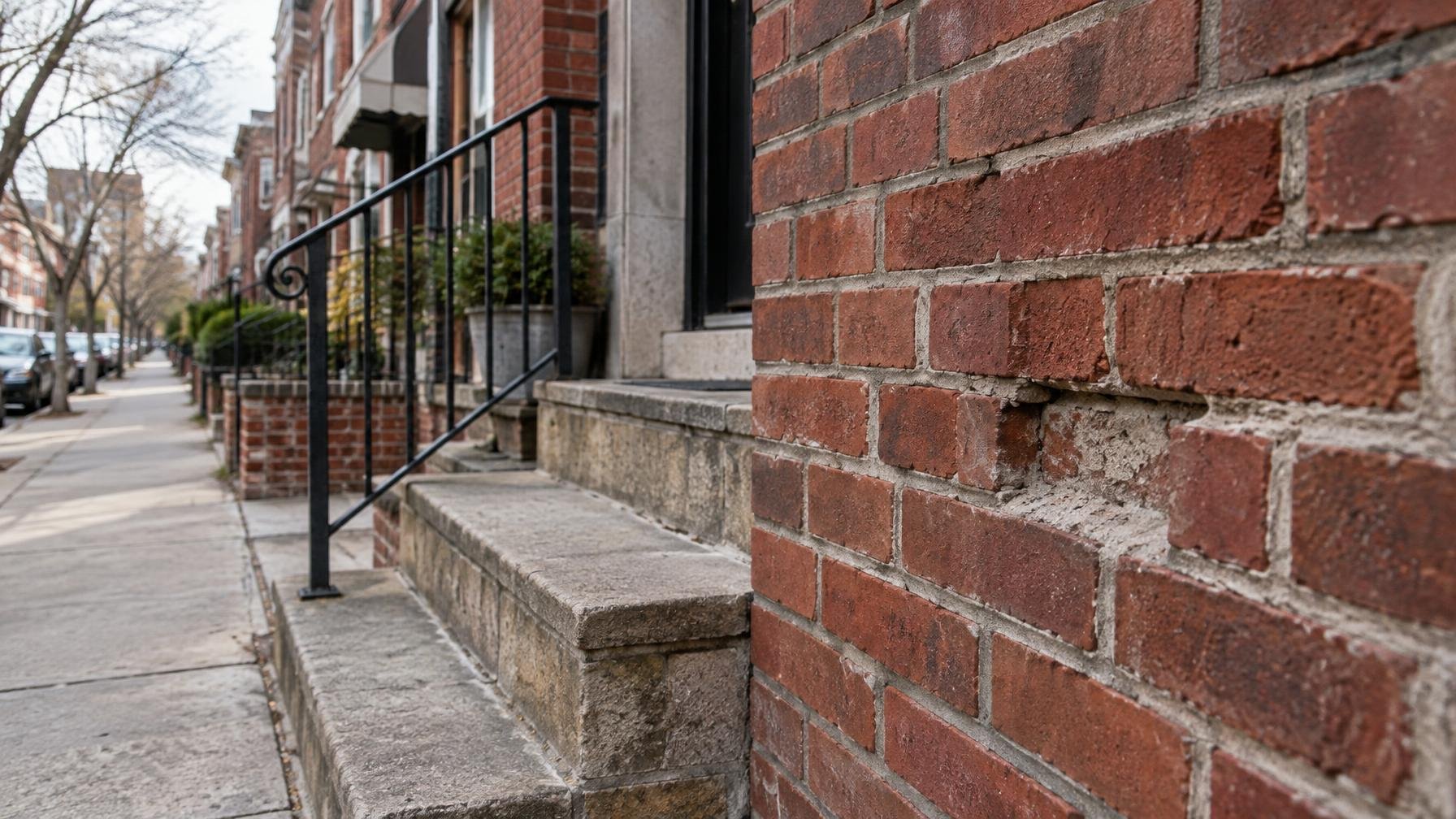
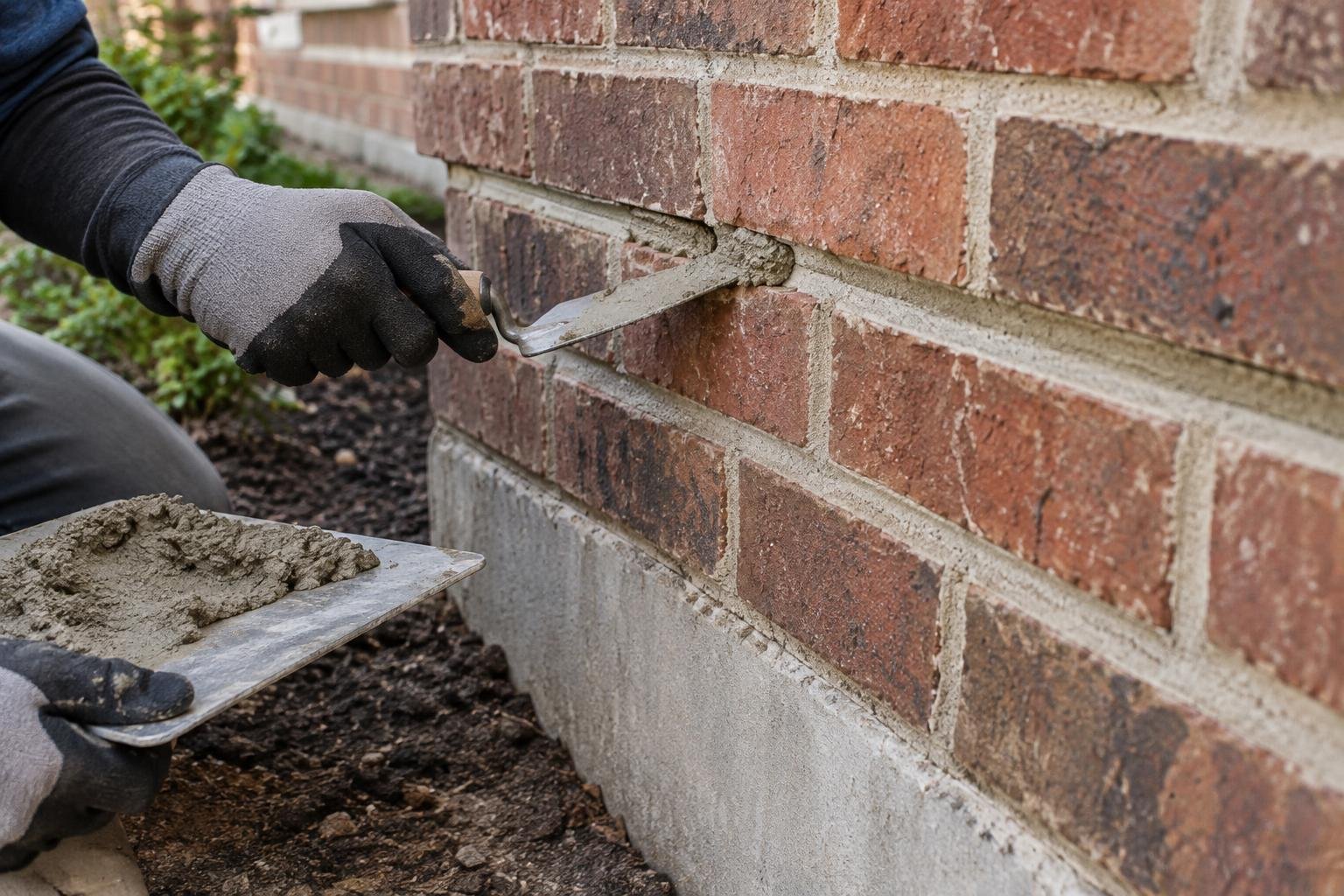
Mortar joints help hold masonry together and limit water entry while accommodating moisture movement through the wall. Over time, exposed joints can erode, crack or separate from the brick edges. Repointing involves removing deteriorated mortar to an appropriate depth, preparing the joints and installing compatible replacement mortar.
A proper repair is more than spreading a thin layer of fresh mortar over the surface. A shallow patch over loose material may look better briefly without providing a sound bond. The condition of the existing joints determines how much preparation is necessary.
Repointing is also different from replacing brick. If a brick face is flaking away or the unit is cracked through, filling the joints around it will not restore the brick itself. An estimate should distinguish mortar repair from any additional masonry work that may be needed.
Signs Your Astoria Brickwork Needs Attention
Astoria has a mix of older attached homes, low-rise apartment buildings and brick-front properties with exposed stoops and entrance walls. Inspect accessible masonry from ground level, especially after rain and after winter. Do not climb onto roofs or lean out of windows to check upper walls.
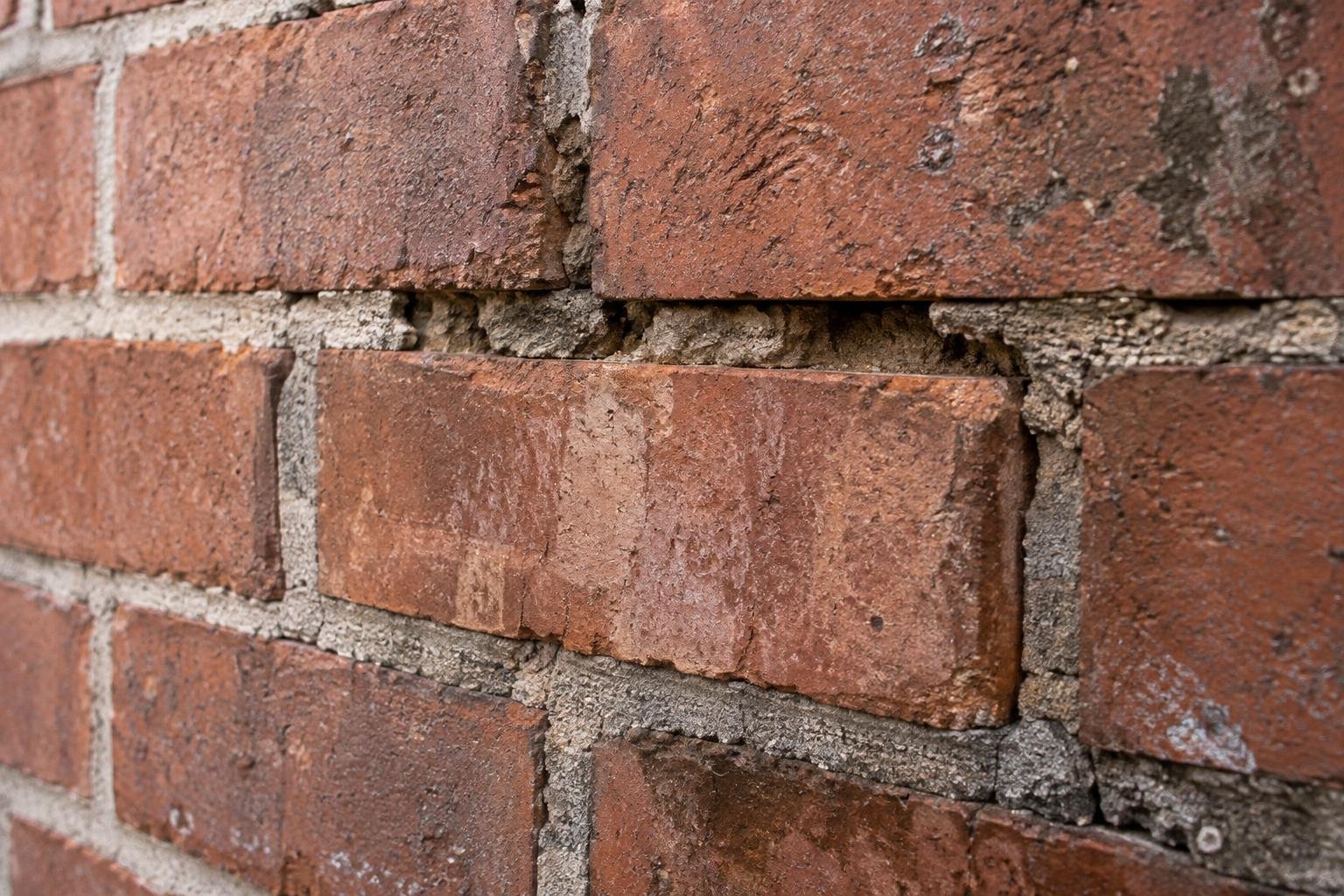
- Recessed or missing mortar: Deep gaps between bricks give water more opportunity to enter and remain in the wall.
- Loose, sandy joints: Mortar that is visibly disintegrating may need removal rather than a surface coating.
- Cracks along brick edges: Separation between mortar and brick can indicate a failed bond or movement that needs evaluation.
- Repeated damp patches: Note whether moisture appears below a sill, beneath a wall cap or across a broader area.
- Flaking brick faces: This can accompany moisture exposure and requires evaluation beyond the mortar joints.
White deposits on brick, often called efflorescence, indicate that moisture has carried soluble salts to the surface. They do not prove that repointing alone will solve the problem. Their location can help guide an inspection of joints and nearby water-shedding details.
When Cracks Need More Than Repointing
Stair-step cracks, widening openings, bulging masonry or displaced bricks should not be treated as routine cosmetic repairs. These conditions can require assessment by a qualified design professional before a repair method is selected. If masonry appears loose above an entrance or public walkway, keep people away from the affected area and arrange prompt evaluation.
Why Local Exposure and Building Layout Matter
Queens winters bring freeze-thaw conditions that can worsen moisture-related deterioration. Water entering open joints may freeze and expand, further damaging already weakened areas. Wind-driven rain and repeated wetting also make exposed corners and walls worth checking carefully.
At street-level entrances, slush and deicing residue may reach lower masonry near steps and sidewalks. Above those areas, sills and wall caps should shed water rather than direct it into the brickwork. A repair plan should consider these exposure patterns instead of assuming every joint has aged at the same rate.
Access Between Buildings
On an attached or closely spaced Astoria property, reaching a side or rear wall can be a significant part of planning. A narrow passage, occupied backyard or shared entrance may affect equipment access and the sequence of work. Tell the contractor whether access crosses another property and whether permissions need to be arranged.
For an occupied multifamily building, discuss how residents will reach entrances and where materials can be staged. Dust and debris controls, window protection and pedestrian separation should be part of the access conversation, not decisions left until work begins.
Matching Mortar Means More Than Matching Color
The replacement mortar needs to suit the existing brick and wall construction. Older masonry can contain relatively soft brick and mortar that behave differently from modern materials. A stronger or harder mortar is not automatically a better repair.
Mortar that is too hard or insufficiently compatible with the wall’s moisture behavior can contribute to deterioration of the surrounding brick. Material selection should account for the masonry’s condition, exposure and existing mortar rather than relying on a universal mix for every building.
Use a Small Sample to Discuss Appearance
Color, sand texture and joint profile all affect how a repaired section looks. Fresh mortar can appear different while it is wet, so an initial color judgment may be misleading. Ask whether a small sample area is appropriate before committing to a prominent front elevation.
Joint shape matters as well. A deeply recessed repair beside flush joints can make a patch stand out even when the mortar color is close. Agree on the intended finish while recognizing that weathered brickwork may not blend perfectly with a new repair.
What a Repointing Scope Should Cover
A useful estimate identifies the actual repair area and the preparation involved. “Repair brick wall” is less informative than a description separating deteriorated joints, damaged bricks and unresolved moisture concerns.
- Condition review: Identify open joints, previous patches, loose units and visible signs of water entry.
- Mortar removal: Remove unsound material without unnecessarily widening joints or damaging brick edges.
- Joint preparation: Clear debris and manage moisture in the masonry as appropriate for the selected mortar.
- Mortar placement and finishing: Pack the joints properly and tool them to the agreed profile.
- Curing and protection: Protect fresh work from unsuitable weather and premature drying.
- Cleanup and review: Address residue using methods suitable for the brick and newly installed mortar.
StoneSky’s broader masonry and hardscaping services in Queens and Long Island also include steps and stoops, retaining walls and other outdoor masonry features. If those features adjoin the affected brickwork, point them out during the visit so the estimate can clearly separate the work areas.
Check Water Sources Before Closing the Joints
Open mortar joints can admit rain, but a wet wall may have more than one source of moisture. Water can enter at window edges, defective flashing, roof transitions or damaged wall caps and then show up somewhere else. Repointing the visible damp area without investigating the source can leave the underlying problem unresolved.
Before the estimate, photograph the wall during dry weather and again after rain, if you can do so safely. Note when interior staining occurs and whether it follows heavy wind-driven rain or even a light shower. These observations are useful clues, though they are not a substitute for an inspection.
Do not assume a clear coating is the next step after repointing. A product intended for horizontal pavers is not automatically suitable for a brick facade. Any proposed masonry coating needs a separate assessment of the substrate, moisture conditions and product compatibility.
Weather, Permissions and Scheduling in Astoria
Mortar needs appropriate installation and curing conditions. Freezing temperatures, excessive heat, drying wind and heavy rain can all affect the work. Ask how the proposed schedule accounts for the forecast and what protection is planned for fresh joints.
Permissions depend on the building, scope and access arrangements. Confirm applicable requirements with the NYC Department of Buildings before work starts rather than assuming a small repair is exempt. If the property is landmarked or within a designated historic district, check whether Landmarks Preservation Commission approval is required.
Scaffolding, sidewalk protection or staging that affects public space can introduce additional requirements. Clarify who will verify and handle any required approvals. Ownership arrangements also matter: a tenant or individual unit owner may need building-owner or association approval before exterior masonry work proceeds.
How to Prepare for an On-Site Estimate
Make a short list of the affected locations and gather any information about previous repairs. You do not need to diagnose the wall yourself. Clear observations help the contractor evaluate the work more efficiently.
- Identify whether the concern involves a facade, entrance wall, stoop or another brick feature.
- Share photographs and note whether cracks or damp patches have changed.
- Explain access limitations, shared passages and occupied entrances.
- Ask which areas need repointing and which need a different assessment or repair.
- Confirm what preparation, protection, cleanup and exclusions the written scope includes.
After the repair, follow the contractor’s instructions about keeping people and water away from fresh mortar. Continue checking the area after major rain and winter weather. Recurring staining, new gaps or moving cracks deserve another look rather than another surface patch.
Request a Free On-Site Estimate in Astoria
If your Astoria brickwork has crumbling mortar, open joints or deteriorating patches, start with an assessment of the affected area. StoneSky Pavers & Masonry serves Astoria, Queens, Nassau County and Long Island. Request a free on-site estimate or call (929) 528-1205 to discuss your brick repointing project.
Frequently Asked Questions
How do I know whether my brickwork needs repointing or brick replacement?
Missing or deteriorated mortar may call for repointing when the surrounding bricks remain sound. Cracked, loose or flaking bricks need separate evaluation because fresh mortar will not restore damaged brick units. Some projects require both types of repair.
Will brick repointing stop a wall leak?
Repointing can address water entry through failed mortar joints, but leaks can also originate at windows, flashing, roof transitions or wall caps. The source should be investigated before assuming mortar repair alone will stop the leak.
Can only the damaged section of an Astoria brick wall be repointed?
Localized repointing may be appropriate when deterioration is limited and surrounding joints are sound. Widespread erosion or numerous failing patches may justify a larger repair area. An on-site inspection helps establish the scope.
Do I need a permit for brick repointing in Astoria?
Requirements depend on the repair scope, building status and access arrangements. Check applicable NYC Department of Buildings requirements, and verify Landmarks Preservation Commission requirements for designated properties. Work affecting public space may require additional approvals.
Does StoneSky provide free estimates for brick repointing in Astoria?
Yes. StoneSky Pavers & Masonry offers brick repointing and free on-site estimates in its service area, including Astoria. Call (929) 528-1205 or use the contact page to request a visit.